The Strategic Affiliate is the right way

The Biggest Lie in Affiliate Marketing is Costing You Everything

Let’s be brutally honest for a moment.

You’re working your tail off. You’re dutifully following the advice of every guru who floods your inbox with their “7-Figure Blueprint.” You’re churning out blog posts, designing social media graphics, obsessing over SEO keywords, and maybe even dabbling in paid ads that feel like you’re just lighting money on fire.

You’re doing everything they told you to do. You’re putting in the hours.

And for what?

A commission report that’s a rounding error. A trickle of traffic that vanishes the second Google has a mood swing. The gnawing, gut-wrenching feeling that you’re a busy fool, trapped on a hamster wheel, running faster and faster just to stay in the same, broke place.

This isn’t just your story. This is the story of 95% of affiliate marketers. It’s a story born from the single biggest, most destructive lie in the entire industry: the lie that activity equals achievement.

They sold you on the idea of the “hustle.” The “grind.” They told you that if you just create enough content, build enough backlinks, and post on enough platforms, you’ll magically stumble upon a pot of gold.

It’s a lie.

A lie designed to keep you busy, confused, and dependent. A lie that profits the people selling you cheap, rehashed courses while you fight for the pathetic scraps they leave behind.

You’re not building a business. You’re participating in a lottery, and the house always wins. You’ve been taught to be a Tactical Pawn in a game where you should be the Strategic King.

The Anatomy of the Tactical Pawn

Does this sound familiar?

1. The Endless Content Treadmill: You wake up with a sense of dread, knowing you need to feed the beast. Another blog post that maybe 12 people will read. Another set of Instagram stories that will disappear in 24 hours. You’re a content factory, but your products have no buyers. You’re creating digital noise, convincing yourself it’s the sound of progress. It’s not. It’s the sound of burnout.

2. Fighting for Commission Scraps: You promote products from massive retailers like Amazon, celebrating a £1.47 commission on a £30 sale. You’re sending these global behemoths hordes of customers, and in return, they toss you the equivalent of pocket change. To make a life-changing income, you’d need to generate a tsunami of sales so vast it’s mathematically laughable. You’re a highly-effective, yet unpaid, salesperson for corporations that don’t know you exist.

3. The Algorithm is Your Overlord: Your entire business is built on rented land. You live in constant fear of a Google update vaporising your rankings overnight. You’re one Facebook policy change away from having your ad account shut down for reasons you’ll never understand. You don’t control your traffic; you beg for it from digital landlords who can evict you at any time, without notice.

You have been taught to be a tactician. A tactician focuses on the battle. A strategist wins the war before it even begins.

A tactician asks, “What blog post should I write today?”

A strategist asks, “What system can I build today that generates income for the next five years?”

See the difference? It’s the difference between being an employee in your own business and being the CEO. It’s the difference between earning a wage and building wealth.

The Dawn of the Strategic Affiliate: A New Operating System

For the past several years, I’ve been operating under a completely different model. A model I never see taught in those cheap courses or flashy webinars. It’s a model built on timeless business principles, not fleeting marketing hacks.

It’s a system for building a fortress, not a tent. A system for creating real, defensible, income-producing assets that work for you, 24/7/365.

This is the blueprint of The Strategic Affiliate.

This isn’t about “working smarter, not harder.” That’s a meaningless platitude. This is about deploying your effort on tasks that have exponential returns, not linear ones. It’s about building a machine.

The machine has three core components:

Component 1: You Build Income-Producing ASSETS, Not One-Off Promotions.

The Tactical Pawn promotes a product. The Strategic King builds an asset around the problem the product solves.

What are these assets?

  • Your Email List: This is the single most important asset. It is your private broadcast system. It’s traffic you OWN. When you have a list of people who trust you, you can generate sales on demand, without asking Google or Facebook for permission.
  • Your Authority Site: This is not a “blog.” It is your digital headquarters. It’s a carefully constructed conversion machine designed to do one thing: turn cold traffic into email subscribers and prospects into buyers. Every piece of content has a job. There is no fluff.

While the pawn is desperately trying to get a quick click on an affiliate link, the strategist is focused on acquiring an email subscriber—an asset that can be monetised for years.

Component 2: You Hunt High-Ticket & Recurring REVENUE.

Why would you work just as hard to earn a £4 commission as you would to earn a £400 commission? It’s insane, yet millions do it every day.

The Strategic Affiliate actively hunts for “big game.”

  • High-Ticket Offers: Products or services that sell for £500, £1,000, or £2,000+, and pay you a significant percentage (30-50%). A single one of these sales can be worth more than an entire month of a tactical pawn’s efforts.
  • Recurring Revenue: Subscription-based products (like software or membership sites) where you get paid every single month for a customer you referred years ago. This is how you build a predictable, stable, floor of income that grows over time.

You stop being a volume player and become a value player.

Component 3: You COMMAND Your Traffic.

A strategist doesn’t rely on a single source of traffic. They build a multi-pronged system for generating and controlling their audience. They understand the difference between traffic they rent (SEO, social) and traffic they own (their email list).

The goal is to use rented traffic sources with the sole purpose of converting them into owned traffic. You use SEO to attract a visitor, but you use a powerful lead magnet and a compelling call-to-action to turn that visitor into a subscriber.

Once they are on your list, you are the master of your destiny. You decide when they see an offer. You build the relationship. You control the narrative.

Introducing ‘The Strategic Affiliate’: The Blueprint

I have codified this entire operating system into a comprehensive, no-fluff training program. It’s called The Strategic Affiliate.

This is not another collection of “tips and tricks.” It is a step-by-step, field-tested blueprint for building a real, sustainable, and wildly profitable affiliate business from the ground up.

We go deep. We build the machine, piece by piece.

  • Asset-Based Marketing: You’ll learn the core philosophy of building assets and how to structure your business around them for long-term security and growth.
  • Offer Deconstruction: I will teach you how to dissect any affiliate offer to find its hidden strengths and, more importantly, its fatal flaws. You’ll learn to see what others miss, ensuring you only ever promote profitable products that enhance your authority.
  • The ‘Kill-Shot’ Content System: Forget “blogging.” You will learn my proprietary formula for crafting review pages, comparison articles, and bonus offers that are direct-response weapons. They don’t just inform; they are psychologically engineered to compel your ideal prospect to buy, and buy now.
  • Authority Architecture: This module alone is worth the price of admission. It’s the step-by-step process for positioning yourself as the go-to, trusted expert in your niche. When you have authority, the dynamic shifts completely. You stop chasing sales, and sales start chasing you. Prospects arrive pre-sold, looking for your recommendation.

This is the system I’ve used to build a six-figure affiliate income stream that is resistant to algorithm changes and market fluctuations. It’s a business, not a gamble.

Your Choice: Invest in a Blueprint or Continue Buying Lottery Tickets

You’ve seen what the other courses offer. A mountain of outdated videos, a sprinkle of “secret hacks” that stop working in three months, and a whole lot of motivational fluff. You pay your £20, £50, or £100, and you get exactly what you paid for: low-value information that leads to low-value results. You are buying lottery tickets and hoping for a win.

The Strategic Affiliate is not a lottery ticket. It’s an education. It’s a business blueprint. It’s your ticket out of the pawn class and into the ranks of the kings.

For a limited time, as an introductory offer to the first group of students who are ready to get serious, I am making the entire system available not for the £998 that it will eventually sell for. Not even for half of that.

You can enroll today and get lifetime access to the complete Strategic Affiliate blueprint for a single, one-time investment of just £298.

Why so low? Because I want to create an army of case studies. I want to take a dedicated group of action-takers and personally guide them to success. Your victory is my victory. When you start posting your commission screenshots, that becomes the ultimate proof of this system.

Think about it. How much have you already spent on cheap courses that led nowhere? How much time have you wasted on tactics that produced zero results? The cost of inaction, of continuing down the path of the Tactical Pawn, is infinitely higher than this small investment in a real, workable strategy.

This is your moment to choose.

You can close this page and go back to the content treadmill. You can keep fighting for scraps and praying to the Google gods. You can continue being a pawn in someone else’s game.

Or, you can make a different choice. You can decide to stop being a tactician and start being a strategist. You can decide to build a real business, a real asset, a real future.

The blueprint is here. The choice is yours.

[Click Here to Enroll in The Strategic Affiliate for Just £298 and Build Your Empire]

laptop computer on glass-top table

What is Affiliate Marketing? A Complete Beginner’s Guide #2

Table of contents
  1. Introduction to Affiliate Marketing
  2. How Affiliate Marketing Works
  3. What Is an Affiliate Marketer?
  4. Types of Affiliate Marketing Models
  5. Benefits of Affiliate Marketing for Beginners
  6. Challenges in Affiliate Marketing
  7. Getting Started with Affiliate Marketing
  8. What Is the Best Affiliate Marketing Programme?
  9. What Is an Affiliate Marketing Network?
  10. Final Thoughts

Introduction to Affiliate Marketing

Affiliate marketing is a performance-based marketing strategy where individuals, known as affiliates, promote products or services for businesses, earning a commission for each sale or action generated through their marketing efforts. This model has gained considerable traction in the digital economy, empowering affiliates to monetize their online presence while providing businesses with a cost-effective way to reach new customers. Understanding how affiliate marketing works is crucial for those entering this field, especially beginners seeking to tap into the potential revenue stream it offers.

The fundamental concept of affiliate marketing revolves around three key players: the merchant, the affiliate, and the customer. The merchant is the business or brand offering a product or service, while the affiliate uses various online methods—such as blogs, social media, and email marketing—to promote the merchant’s offerings. The customer, influenced by the affiliate’s promotional activities, makes a purchase or takes the desired action, resulting in a sale for the merchant and a commission for the affiliate.

In recent years, the growth of e-commerce has led to the proliferation of affiliate programs, enabling numerous opportunities for beginners. However, to succeed, affiliates must understand what are the best affiliate programs for beginners, as some programs provide better support, resources, and commission structures than others. By leveraging the strategic affiliate advantage, individuals can elevate their promotions, creating engaging content that resonates with their target audience.

Affiliate marketing not only provides a path to financial independence for many but also contributes significantly to the economy as a whole. As businesses increasingly rely on affiliates to widen their market reach, understanding the intricacies of this model becomes critical for those looking to thrive within it. This guide aims to equip aspiring marketers with the knowledge needed to begin their journey in the world of affiliate marketing.

The Key Players in Affiliate Marketing

Understanding how affiliate marketing works requires recognizing the various key players involved in this ecosystem. Each player has a distinct role that contributes to the overall success of affiliate programs. The primary participants are merchants, affiliates, consumers, and affiliate networks.

Merchants, also known as advertisers, are the businesses or individuals that offer products or services for sale. They rely on affiliates to promote their offerings and drive traffic to their websites. By leveraging the strategic affiliate advantage, merchants can reach a wider audience without incurring significant upfront marketing costs. They typically provide affiliates with marketing materials, such as banners and product descriptions, to facilitate promotion.

Affiliates, often referred to as publishers, are individuals or entities that promote the merchant’s products in exchange for a commission on sales generated through their marketing efforts. Affiliates can operate through various online platforms, such as blogs, social media, or YouTube channels. To succeed, they must choose products that resonate with their audience and incorporate the best affiliate programs for beginners into their marketing strategies. This task involves selecting suitable niches and employing effective promotional techniques to generate traffic and conversions.

Consumers are the end-users who purchase products or services through affiliate links. Their behavior is crucial as it directly impacts the performance of affiliate marketing campaigns. Affiliates aim to influence consumers’ purchasing decisions through engaging content and compelling calls to action, emphasizing how the products can solve their problems or meet their needs.

Lastly, affiliate networks act as intermediaries between merchants and affiliates. They provide a platform for tracking sales, managing payments, and offering a variety of affiliate programs that cater to different niches. These networks also facilitate the recruitment of affiliates by showcasing various offers, thus streamlining the entire affiliate marketing process.

How Affiliate Marketing Works

Affiliate marketing operates on a simple yet effective principle that connects merchants with affiliates striving to promote their products or services. In this process, an affiliate joins an affiliate program, thereby obtaining unique affiliate links that lead to the merchant’s website. These links are instrumental in tracking and reporting sales generated by the affiliate’s marketing efforts.

Upon sharing these links through various channels such as blogs, social media, or websites, when a potential customer clicks on an affiliate link, a cookie is stored in their browser. This cookie serves as a digital footprint, allowing the merchant to track activities related to the affiliate’s promotion. Depending on the program, this cookie may last from a few days to several months, ensuring that the affiliate receives credit for any sales made within that timeframe.

When a conversion occurs, such as a purchase or sign-up for a service, the sale is tracked through the affiliate link that the consumer initially clicked. Affiliate programs often use specialized tracking software to monitor these transactions, ensuring accuracy in reporting. Sales reports then indicate which affiliates are driving traffic and generating revenue. Subsequently, each affiliate earns a commission based on the sales generated from their marketing efforts.

The commission structure may vary, but common models include pay-per-sale (PPS), where the affiliate earns a percentage of the sale, and pay-per-click (PPC), where the affiliate may receive a fee simply for driving traffic to the merchant’s site. The strategic affiliate advantage comes in learning to optimize these links and promotional channels, ultimately maximizing earnings. Understanding how does affiliate marketing work is crucial for beginners interested in tapping into this lucrative opportunity, as it provides them with the necessary knowledge to succeed in identifying what are the best affiliate programs for beginners.

Types of Affiliate Marketing

Affiliate marketing encompasses various models, each designed to align with distinct business goals and practices. The three primary types include pay-per-click (PPC), pay-per-sale (PPS), and pay-per-lead (PPL). Understanding these models is crucial for anyone looking to explore what are the best affiliate programs for beginners. Each has its own mechanism and potential for profitability.

First, pay-per-click (PPC) is a model where affiliates earn a commission based on the clicks generated through their referral links, regardless of whether the visitor makes a purchase. This model is primarily beneficial for generating traffic, especially for new affiliates who might not yet have a significant audience. An example of this can be seen in companies that run ad campaigns, where affiliates earn money as users visit their site after clicking on the affiliate link.

Next is the pay-per-sale (PPS) model, which is among the most common types in affiliate marketing. In this setup, affiliates earn a commission only when a referred customer makes a purchase. This strategy is advantageous for both the merchant and the affiliate, as it ensures that the affiliate receives compensation only after a successful transaction. For instance, an affiliate who promotes an e-commerce platform will receive a percentage of the sale for each product purchased through their link. The potential earnings in this model can be substantial, making it a highly sought-after option for both new and seasoned marketers.

Lastly, the pay-per-lead (PPL) model pays affiliates for generating leads that may eventually result in a sale. This model works well for service-oriented businesses where capturing potential customer information is crucial. A practical example could be an affiliate who promotes a subscription service, earning a commission for each sign-up or inquiry they generate. Understanding these various models is essential for beginners to navigate the intricacies of how does affiliate marketing work effectively.

In conclusion, exploring the different types of affiliate marketing provides beginners with a clearer understanding of the opportunities available. By selecting the appropriate model based on their goals, new affiliates can better leverage the strategic affiliate advantage for successful marketing endeavors.

Benefits of Affiliate Marketing

Affiliate marketing has emerged as a popular avenue for individuals and businesses seeking to expand their revenue streams with minimal investment. One of the primary advantages of affiliate marketing is its low entry barrier. Unlike traditional businesses that often require substantial capital and infrastructure, individuals can get started with affiliate marketing with little to no upfront cost. All that is needed is a reliable web platform and a well-defined marketing plan, making it an appealing option for beginners looking to explore what are the best affiliate programs for beginners.

Another significant benefit is the passive income potential. Once an affiliate has successfully promoted a product or service, they can continue to earn commission on sales without ongoing effort. This creates an opportunity for individuals to generate income while engaging in other activities or projects. In this sense, affiliate marketing offers not only financial incentives but also flexibility in terms of time management.

Furthermore, affiliate marketing allows individuals to work from anywhere, making it an incredibly versatile career choice. Whether one chooses to work from home, a café, or while traveling, the only requirement is access to the internet. This adaptability is particularly appealing in today’s fast-paced and ever-evolving digital landscape. Additionally, entrepreneurs can establish various income sources without committing to a single product or service, which enhances their overall revenue diversity.

The strategic affiliate advantage also applies to businesses. By engaging affiliates, companies can extend their reach and tap into new markets without incurring significant marketing expenses. This collaborative model not only fosters a mutually beneficial relationship but also maximizes opportunities for both affiliates and merchants to thrive in the competitive online marketplace.

In conclusion, the benefits of affiliate marketing encompass low barriers to entry, the potential for passive income, flexible working hours, and the freedom to work from virtually anywhere, making it an appealing choice for individuals and businesses alike.

Challenges You May Face

As an aspiring affiliate marketer, you may encounter various challenges that could hinder your initial success. One of the primary hurdles is the selection of the right niche. Identifying a niche that is both profitable and aligned with your interests is crucial for long-term engagement. A saturated market can make it difficult to stand out, particularly when it comes to revenue generation. Understanding “what are the best affiliate programs for beginners” can guide you towards less competitive niches that still offer potential for growth.

Another significant challenge is the need for effective marketing strategies. Many beginners underestimate the importance of developing a solid marketing plan. Without a well-thought-out strategy, it can become increasingly difficult to drive traffic to your affiliate links. Learning how effective marketing works in the context of affiliate programs can provide you with the tools necessary to increase your chances of success. This may include using social media, email marketing, or search engine optimization to reach your target audience and enhance visibility.

Compliance with regulatory guidelines presents yet another challenge that beginners often overlook. Due to the nature of affiliate marketing, there are legal requirements that must be followed, such as disclosing affiliate relationships to your audience. Understanding how affiliate marketing works in terms of these regulations is essential to maintain credibility and avoid legal issues. Non-compliance can lead to penalties that not only impact your income but also damage your reputation within the industry.

In summary, affiliate marketing offers numerous opportunities, but it is not without its challenges. By understanding the intricacies of niche selection, effective marketing strategies, and regulatory compliance, beginners can navigate the complexities of this field and set themselves on a path toward success.

How to Get Started with Affiliate Marketing

Embarking on the journey of affiliate marketing can be an exciting prospect for beginners seeking to earn income online. The initial step involves choosing a niche that aligns with your interests and expertise. Select a niche that not only resonates with you but also has a viable audience. This is crucial as it will determine the type of affiliate products you promote. A focused niche allows for a more targeted approach, making it easier to engage with potential customers.

Once the niche is established, the next phase is to sign up with appropriate affiliate programs. Numerous platforms cater to various interests and provide a range of affiliate products. To determine what are the best affiliate programs for beginners, consider factors such as commission rates, payment structures, and the reputation of the program. Some popular affiliate networks include Amazon Associates, ShareASale, and ClickBank. Each of these programs offers a variety of products, making it easier to find items that fit your chosen niche.

Creating a website or blog is an essential next step in your affiliate marketing strategy. This serves as your online platform to share content, review products, and engage with your audience. Choosing a user-friendly web hosting service and an appealing website design will enhance user experience. It is advisable to create high-quality, informative content that integrates affiliate links organically, as this builds trust with your audience and increases conversion potential.

Finally, developing a marketing strategy is vital to promote affiliate products effectively. This may include implementing search engine optimization (SEO) techniques, utilizing social media for outreach, or leveraging email marketing campaigns to engage potential customers. Understanding how does affiliate marketing work, and employing these tactics strategically will set a solid foundation for success in your affiliate marketing endeavors. In conclusion, a structured approach combined with continuous learning will significantly enhance your success rates in this dynamic industry.

Tips for Success in Affiliate Marketing

To excel in affiliate marketing, particularly for beginner affiliates, it is vital to focus on several strategies that will enhance your potential for success. Understanding how does affiliate marketing work begins with the establishment of a strong foundation, primarily through building an engaged audience. This involves identifying your target demographic, understanding their preferences, and creating relevant content that resonates with their interests. Engaging your audience can lead to higher conversion rates, as trust plays a crucial role in affiliate sales.

Another significant component is creating valuable content that addresses the needs of your audience. Whether through blog posts, reviews, or video tutorials, providing quality information can prove to be the strategic affiliate advantage. It’s essential to integrate your affiliate links naturally within your content, ensuring they align with what your audience is searching for. Quality content not only attracts new visitors but encourages return traffic and further engagement.

Additionally, leveraging social media platforms can greatly enhance your outreach and engagement. Utilize platforms where your audience is most active and share content that informs, entertains, or solves problems. Social media allows for direct interaction with your audience, fostering a community around your brand. Email marketing is another effective tool; by building a mailing list, you can promote your affiliate products directly to interested subscribers, improving your chances of conversion.

Lastly, continual analysis of performance metrics is essential. Regularly assess key performance indicators such as click-through rates and conversion rates to understand what strategies are effective and which require adjustment. This data-driven approach will guide your decision-making and help identify what are the best affiliate programs for beginners that fit your niche and audience. By applying these tips and consistently refining your approach, your affiliate marketing journey can lead to a sustainable source of income.

Final Thoughts and Future of Affiliate Marketing

As we navigate through the complexities of affiliate marketing, it becomes apparent that this business model offers beginners a unique opportunity to generate income through strategic partnerships. The essential concept of how affiliate marketing works revolves around promoting a product or service, earning a commission for every sale or lead generated through your promotional efforts. Understanding what are the best affiliate programs for beginners can set the foundation for success, allowing individuals to establish a revenue stream with minimal upfront investment.

The landscape of affiliate marketing is constantly evolving, influenced by advancements in technology and shifts in consumer behavior. The rise of artificial intelligence and machine learning is streamlining processes, enabling marketers to analyze data more efficiently and tailor their strategies. Additionally, the integration of social media has transformed how affiliate marketers engage with their audiences, allowing for direct communication and stronger brand connections.

Furthermore, emerging trends indicate a growing inclination toward transparency and authenticity in marketing practices. Consumers are becoming more discerning, seeking genuine recommendations rather than traditional advertisements. This shift highlights the strategic affiliate advantage, where honesty and trust play vital roles in driving conversions and maintaining brand loyalty.

Looking ahead, the potential of affiliate marketing remains vast. As e-commerce continues to expand, new affiliate opportunities will likely emerge, accommodating the diverse interests and preferences of various audiences. For newcomers, investigating which affiliate programs align with their niche will be crucial in harnessing the true potential of this lucrative business model. By staying informed about industry developments and adapting to new technologies, aspiring affiliate marketers can position themselves for long-term success.

In conclusion, affiliate marketing offers a practical pathway for beginners to explore the digital marketplace. By comprehending its fundamentals, embracing innovative trends, and utilizing strategic insights, individuals can navigate this dynamic field effectively in the future.

Affiliate marketing is one of the most powerful ways to build passive income and financial freedom, but success doesn’t happen by chance—it happens with the right strategy, guidance, and action. If you’re serious about making consistent affiliate income, stop wasting time on trial and error and start learning from a proven system.

💡 The Strategic Affiliate is designed to take you from beginner to expert with a clear, step-by-step roadmap. You’ll get insider knowledge, expert mentorship, and hands-on training to build a sustainable and scalable affiliate business.

🚀 Ready to take control of your income and future? Join The Strategic Affiliate today and start applying strategies that actually work. Click here to enrol now!

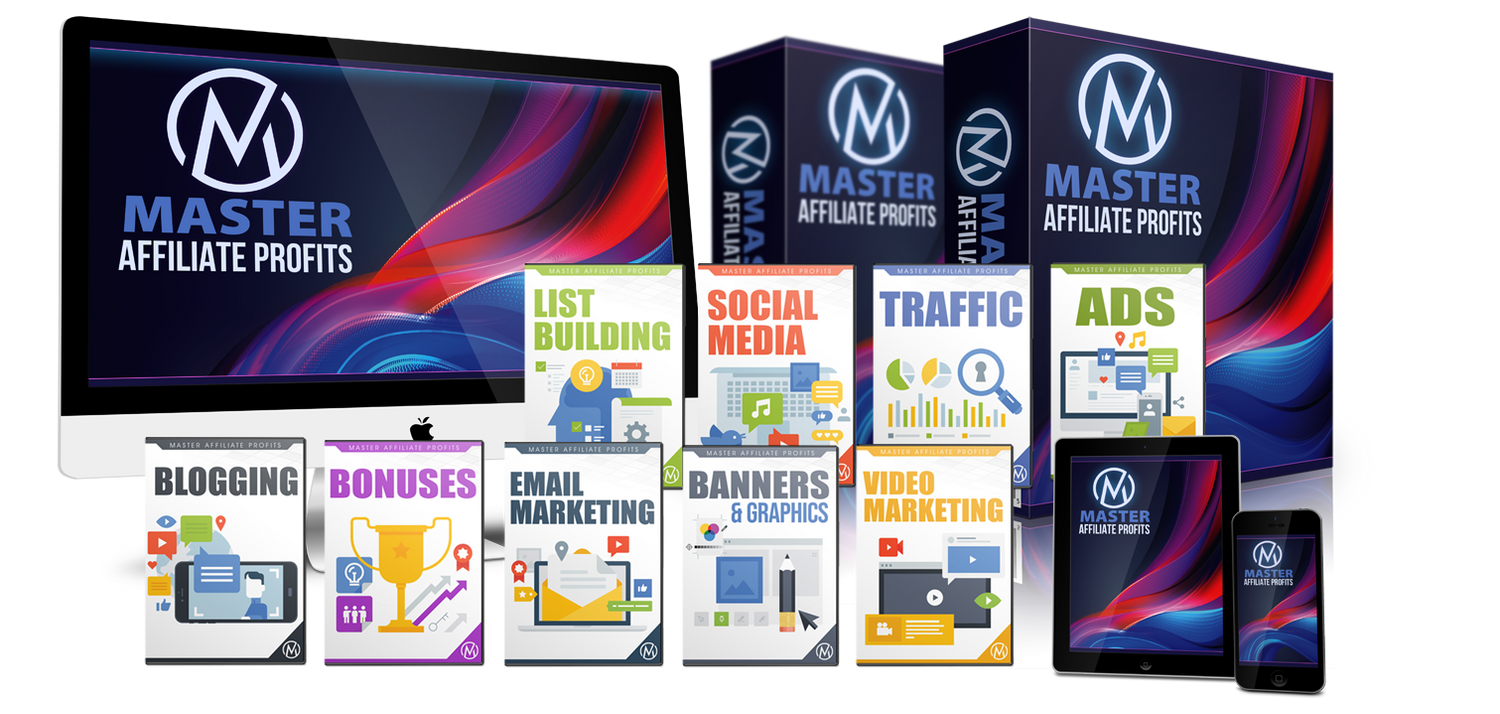
Master Affiliate Profits (MAP) Eco-System Unveils to the Public

Join Today

In an unprecedented move that’s set to redefine the landscape of affiliate marketing, Master Affiliate Profits (MAP), a comprehensive affiliate marketing eco-system, officially opened its doors to the public, March 26, 2024. Developed by affiliate marketing powerhouses John Thornhill, Omar Martin, and Melinda Martin, MAP has concluded its meticulous three-phase launch, transitioning from an exclusive backer program to a global platform accessible to all aspiring and established marketers.

Phase One: Initially opened exclusively for backers, this phase allowed early investors to secure their position in the ecosystem, gaining lifetime access to MAP’s Platinum level benefits.

Phase Two: Focused on empowering backers to promote the MAP backer program and lifetime deal, this phase facilitated the expansion of the community and prepared the ground for the wider public launch.

Phase Three: Marking today’s global unveiling, MAP introduces a tiered membership structure, inviting new users to join free and explore the option to upgrade to Silver, Gold, or Platinum levels. This phase democratizes access to the MAP ecosystem, offering unparalleled resources for affiliate marketing success.

Revolutionizing Affiliate Marketing

Distinct from conventional platforms, MAP champions the affiliate marketer’s success above all. With a staunch policy against lead theft, MAP ensures that marketers retain full control over their leads. The platform not only aids in list building but also enables seamless integration with leading autoresponders, allowing for direct lead download and insertion, thus preventing list sabotage and ensuring that MAP never competes with its users.

A Comprehensive Eco-System

MAP is more than a training platform; it’s an all-encompassing ecosystem designed to nurture the affiliate marketer’s journey from novice to expert. The system is built on the foundation of providing perpetual commissions across all levels of product and membership, ensuring that users are rewarded for their efforts, forever.

Training Modules:

List Building: Crafting a robust email list.
Email Marketing: Mastering effective communication and conversion strategies.
Traffic Generation: Driving quality traffic through various channels.
Video Marketing: Leveraging video content for engagement and sales.
Creating Bonuses: Enhancing offers with value-added bonuses.
Social Media Mastery: Building presence and influence on social platforms.
Ads Marketing: Navigating the world of online advertising for maximum impact.
Banners & Graphics: Designing compelling visual content.
Blogging: Establishing authority and driving traffic through content.
A Promise of Integrity and Growth

In a realm often mired in competition and secrecy, MAP stands out as a beacon of integrity and collaboration. By providing direct access to strategies from affiliate millionaires themselves, John Thornhill, Omar Martin, and Melinda Martin, MAP is poised to elevate the affiliate marketing industry to new heights.

As MAP opens its doors to the world, the invitation is clear: join an ecosystem where your growth is the priority, your leads are your own, and your potential for success is limitless.

About Master Affiliate Profits

Master Affiliate Profits (MAP) is an innovative affiliate marketing ecosystem designed to provide comprehensive training, tools, and support to marketers at all levels. Founded by industry veterans John Thornhill, Omar Martin, and Melinda Martin, MAP is dedicated to empowering marketers to achieve unparalleled success in the digital marketplace.

Join me Today For Free by clicking Here: JOIN MAP

Then once you are a member message me at darren@darrennoble.co.uk and I will help you get off to a flying start by adding your link to my rotator that receives hundreds of hits daily, Stop trying to go it alone and Join The Winning Team.

Join The MAP Revolution

“Don’t Miss Out: MAP Lifetime Deal Ends Tuesday!”


We’ve all said it…“I should’ve bought Tesla stock when it was $17…”
“I should’ve jumped on Apple before the first iPhone dropped…”
“I should’ve grabbed Bitcoin when it was $200…

” Regret stings. Not because we didn’t know… But because we hesitated. 
And now? 
Those moments are gone. 
But here’s one that’s still in front of you.

It’s called MAP—and it’s already paid out over $613,510.99 in commissions to everyday people.
Not tech bros.
Not Wall Street.
Not influencers with giant followings. 

We’re talking about people who had never made a dime online before.

Like 1,173 others who already claimed their spot as MAP Platinum Backers.

They paid once—and they’re in for life. 

Now, we’re about to open the doors to Phase 3 on Tuesday at 12 PM Eastern. When that happens? The lifetime pricing is GONE.

MAP moves to a recurring subscription model.

And the people who jumped in during Phase 2 will be very glad they did. 
 Will this be another one of those things you wish you acted on sooner? Or will you look back a year from now and say…“That’s the day everything changed?

You’ve got less than 24 hours to make that choice

JOIN the MAP Revolution

This is one of those rare moments when everything aligns…The timing is perfect.The proof is undeniable.The opportunity is real. And yet, only a small percentage will actually take action. The rest? They’ll see MAP again in a few weeks or months…

Only this time they’ll be paying monthly and wondering why they didn’t act when they had the chance.

Don’t be one of them.

You’ve got the roadmap.

You’ve got the mentors.

You’ve got the offer.

Click here now to lock in your MAP Platinum Backer spot for life before the clock runs out. >> 

Now it’s just up to you to take the step.

Phase 3 begins Tuesday at 12 PM EST.
By then, it’ll be too late to
join as a lifetime member. 
This is your window.

You don’t need a list.
You don’t need experience.
MAP gives you the system, the tools, and the traffic.

P.P.S. -after Tuesday, it’s monthly fees—and no more lifetime access. Don’t let this be your next “should’ve.” Click here and get in before it’s too late.. 


Affiliate Marketing for Beginners: A Step-by-Step Guide to Getting Started

Affiliate marketing, online business model concept. Creating relationships strategy between merchants, affiliates, and customers. Generated revenue by rewarding affiliates for referring customers.

The world of online income is vast and often overwhelming, especially for newcomers. If you’ve been intrigued by the potential of affiliate marketing but don’t know where to start, you’re in the right place. this post “Affiliate marketing For beginners” will break down the process into manageable steps, providing a clear roadmap to your affiliate marketing journey.

What is Affiliate Marketing?

At its core, affiliate marketing is a performance-based marketing strategy where you earn a commission by promoting other people’s or companies’ 1 products. Think of it as being a digital salesperson. You find a product you like, promote it, and when someone makes a purchase through your unique affiliate link, you get paid.  

Why Choose Affiliate Marketing?

  • Low Barrier to Entry: You don’t need to create your own products or handle customer service.
  • Flexibility: You can work from anywhere with an internet connection.
  • Passive Income Potential: Once your campaigns are set up, they can generate income even while you sleep.
  • Scalability: You can scale your income by promoting more products and reaching a wider audience.

Step 1: Choosing a Niche

The first and most crucial step is selecting a niche. A niche is a specific segment of the market you’ll focus on. Choosing a niche you’re passionate about is essential, as it will make the process more enjoyable and sustainable.

  • Tips for Choosing a Niche:
    • Identify Your Interests: What are you passionate about? What topics do you enjoy learning and talking about?
    • Research Market Demand: Use tools like Google Trends and keyword research tools to see if there’s a demand for your niche.
    • Assess Competition: Analyze the competition in your niche. Is it saturated? Can you find a unique angle?
    • Consider Profitability: Are there affiliate programs and products related to your niche that offer good commissions?

Step 2: Finding Affiliate Programs

Once you’ve chosen your niche, it’s time to find affiliate programs. These programs provide you with affiliate links and marketing materials.

  • Where to Find Affiliate Programs:
    • Affiliate Networks: Platforms like Amazon Associates, ShareASale, CJ Affiliate, and ClickBank offer a wide range of affiliate programs.
    • Company Websites: Many companies have their own in-house affiliate programs. Check the footer of their websites for “Affiliates” or “Partners.”
    • Niche-Specific Platforms: Search for platforms that specialize in your chosen niche.
  • Things to Consider:
    • Commission Rates: How much will you earn per sale?
    • Cookie Duration: How long after someone clicks your link will you earn a commission?
    • Product Quality: Promote products you believe in and that provide value to your audience.
    • Payment Terms: How and when will you get paid?
    • Support and Resources: Does the program provide marketing materials and support?

Step 3: Building Your Online Presence

To effectively promote affiliate products, you need an online platform. This could be a website, blog, or social media presence.

  • Website/Blog:
    • Create a website or blog focused on your niche.
    • Publish high-quality content that provides value to your audience.
    • Optimize your website for search engines (SEO).
  • Social Media:
    • Choose social media platforms relevant to your niche.
    • Create engaging content and build a following.
    • Use social media to drive traffic to your website or affiliate links.
  • Email Marketing:
    • Build an email list to nurture leads and promote affiliate offers.
    • Provide valuable content and offers to your subscribers.

Step 4: Creating Valuable Content

Content is king in affiliate marketing. Create content that educates, informs, and entertains your audience.

  • Types of Content:
    • Product Reviews: Provide honest and detailed reviews of affiliate products.
    • How-To Guides: Teach your audience how to solve problems related to your niche.
    • Comparison Posts: Compare different products in your niche.
    • Blog Posts: Share your expertise and insights on relevant topics.
    • Video Content: Create reviews, tutorials, and informational videos.
  • Content Tips:
    • Focus on providing value to your audience.
    • Use high-quality images and videos.
    • Optimize your content for search engines.
    • Write naturally, and focus on helping your audience.

Step 5: Driving Traffic

Driving traffic to your content and affiliate links is essential for generating sales.

  • Traffic Generation Methods:
    • SEO: Optimize your website and content for search engines.
    • Social Media Marketing: Use social media to drive traffic to your website.
    • Paid Advertising: Run targeted ads on platforms like Google Ads and Facebook Ads.
    • Email Marketing: Send targeted emails to your subscribers.
    • Guest Blogging: Post content on other peoples websites.

Step 6: Tracking and Optimization

Tracking your results is crucial for understanding what’s working and what’s not.

  • Tracking Tools:
    • Google Analytics: Track website traffic and user behavior.
    • Affiliate Network Reports: Monitor your clicks, conversions, and earnings.
    • Link tracking software.
  • Optimization Tips:
    • Analyze your data and identify areas for improvement.
    • Test different marketing strategies and content formats.
    • Optimize your website and content for conversions.

Navigating the Learning Curve

As you embark on your affiliate marketing journey, remember that learning is an ongoing process. While this guide provides a solid foundation, some individuals find that a structured learning environment accelerates their progress. If you’re looking to delve deeper and gain access to advanced strategies, community support, and personalized guidance, consider exploring resources like the “Strategic Affiliate Course.” It’s designed to help you streamline your learning curve and implement proven techniques for success.

The Strategic Affiliate

Conclusion

Affiliate marketing can be a lucrative way to earn income online. By following these steps, you can build a solid foundation for your affiliate marketing journey. Remember to be patient, persistent, and always focus on providing value to your audience. With the right strategies and a commitment to learning, you can achieve success in the world of affiliate marketing.

Keep up with our future posts on the exciting world that is Affiliate Marketing by subscribing below:

Strategies for Building a Profitable Email List

The Strategic Affiliate

Introduction

The Importance of Email Marketing

In today’s digital landscape, email marketing remains a cornerstone of effective communication strategies for businesses. Despite the rise of social media and instant messaging platforms, email consistently proves to be a powerful tool for reaching and engaging customers. **According to HubSpot**, 80% of marketers report that email marketing is their primary channel for customer retention and engagement. 

Having a strong email list allows businesses to cultivate direct relationships with their audience, leading to increased brand loyalty and higher conversion rates. This article aims to provide actionable insights on how to build and grow a profitable email list through various strategies and best practices.

Objectives of the Article

This article will explore:

– How to build and grow a profitable email list.

– Proven strategies and best practices that can enhance your email marketing efforts.

Understanding Lead Magnets

What Are Lead Magnets?

Lead magnets are incentives offered to potential customers in exchange for their email addresses. They serve the dual purpose of capturing leads and providing value to your audience. 

Some effective lead magnet ideas include:

– E-books or whitepapers

– Free trials or demos

– Checklists or templates

– Exclusive webinars or online courses

– Discounts or coupons 

Creating Compelling Lead Magnets

To create attractive lead magnets, consider the following tips:

Identify Your Audience’s Pain Points:** Understand what challenges your audience faces and create lead magnets that address those issues.

Make It Visually Appealing:** Design your lead magnets with appealing graphics and easy-to-read formats.

Align with Your Brand:** Ensure that your lead magnets reflect your brand’s voice and values.

By aligning lead magnets with your audience’s needs, you increase the chances of converting leads into subscribers.

Email Marketing Best Practices

Crafting Engaging Content

Personalization is key to effective email marketing. Emails tailored to the individual interests and behaviors of your subscribers can significantly increase engagement. 

Techniques for writing captivating subject lines include:

– Keeping it short and sweet (ideally under 50 characters).

– Creating a sense of urgency (e.g., “Last Chance to Save 20%”).

– Using action-oriented language (e.g., “Discover Your Perfect Outfit”).

Timing and Frequency

Knowing when and how often to send emails can drastically affect your open rates. Research indicates that the best times to send emails for maximum engagement are:

Tuesdays and Thursdays: These days typically see higher open rates.

Late Morning or Early Afternoon: Aim for 10 AM to 2 PM when people are more likely to check their emails.

Finding the right frequency is also crucial. While some audiences might prefer daily updates, others might find weekly or bi-weekly emails more suitable. A/B testing can help determine the optimal frequency for your specific audience.

Techniques for Converting Subscribers into Customers

Building Trust and Credibility

Nurturing leads through email is essential for building trust. Here are some strategies:

Share Testimonials and Success Stories: Featuring positive feedback from satisfied customers can enhance credibility.

Provide Valuable Content: Regularly share informative and useful content that positions you as an expert in your field.

Call-to-Action Strategies (CTAs)

Your email’s call-to-action (CTA) plays a pivotal role in driving conversions. Consider these strategies:

Designing Effective CTAs: Use contrasting colors and clear text to make your CTA stand out.

Placement and Wording of CTAs: Place CTAs above the fold for visibility and use action-oriented language to encourage clicks (e.g., “Get Your Free Trial Now”).

Email List Segmentation

Benefits of Segmentation

Segmenting your email list allows for targeted messaging, which can lead to increased engagement and conversions. Some benefits of segmentation include:

– Higher open and click-through rates.

– Improved customer experience through personalized content.

Examples of segmentation criteria include:

– Demographics (age, gender)

– Purchase behavior (past purchases, browsing history)

– Engagement level (active vs. inactive subscribers)

Implementing Segmentation Strategies

Utilizing tools like Mailchimp or Constant Contact can simplify the segmentation process. Techniques for effective segmentation include:

Behavioral Segmentation: Tailor your content based on how users interact with your emails.

Personalized Content: Use dynamic content to show different messages to different segments.

Email Campaign Strategies

Types of Email Campaigns

There are various types of email campaigns, each serving a unique purpose:

Promotional Emails: Ideal for announcing sales, discounts, or new products.

Informational Emails: Share valuable content, such as newsletters or industry updates.

Transactional Emails: Sent after specific actions (e.g., confirmation emails, shipping notifications).

Understanding when to use each type of campaign is essential for maximizing engagement.

Measuring Campaign Success

To measure the success of your email campaigns, track key metrics such as:

Open Rates: The percentage of recipients who open your email.

Click-Through Rates (CTR): The percentage of recipients who click on links within your email.

Conversion Rates: The percentage of subscribers who take the desired action.

Analyzing this data can help refine your strategies and improve future campaigns.

Growing Email Subscribers

Organic Growth Techniques

To foster organic growth for your email list, consider these techniques:

Leveraging Social Media: Promote your lead magnets on platforms where your audience spends their time.

Encouraging Referrals: Create referral programs that reward subscribers for bringing in new leads.

Paid Strategies for List Growth

In addition to organic methods, consider paid strategies:

Utilizing Paid Ads: Use Facebook or Google Ads to promote your lead magnets.

Partnerships: Collaborate with other businesses to cross-promote each other’s email lists.

When implementing paid strategies, always evaluate the return on investment (ROI) to ensure cost-effectiveness.

Conclusion

Recap of Key Strategies

In summary, building a profitable email list involves understanding your audience, creating compelling lead magnets, crafting engaging content, and employing effective segmentation and campaign strategies. Each of these elements plays a crucial role in converting subscribers into loyal customers.

Call to Action for Readers

We encourage you to apply these strategies to enhance your email marketing efforts. Ready to take your email list to the next level? Explore further resources or consider consulting with an email marketing expert to maximize your success.

By implementing these practices, you can effectively build a profitable email list that not only drives sales but also cultivates a loyal customer base.

If you want a professional Email provider that you can join free for as long as you have less than 1000 subscribers join me with KIT, you can join through my affiliate link Here: 

Once you have 1000 subs you won’t mind paying $25 per month for their service because you should be earning a decent income already.

How to Create a Content Strategy for Affiliate Marketing

affiliate marketing process

Affiliate marketing success doesn’t happen by chance—it’s built on a well-planned content strategy that attracts the right audience, builds trust, and converts readers into buyers. If you’re struggling to get consistent traffic and commissions, you need a clear content plan that aligns with your affiliate goals.

In this guide, I’ll walk you through the step-by-step process of creating a winning content strategy for affiliate marketing so you can drive traffic, increase conversions, and grow your passive income.


Step 1: Define Your Affiliate Marketing Goals

Before creating content, you need a clear goal. Ask yourself:

✔️ Do I want to build passive income or earn fast commissions?
✔️ Am I targeting high-ticket affiliate products or recurring revenue streams?
✔️ What’s my monetization plan—SEO, social media, paid ads, or email marketing?

Your goals will determine what type of content you create and which strategies to focus on.


Step 2: Choose a Profitable Niche

Your content strategy must align with a profitable niche that has:

✔️ High-demand products with good commission rates
✔️ A target audience that actively searches for solutions
✔️ Low to moderate competition for easier ranking opportunities

Some profitable niches include:

🔥 Health & Wellness (weight loss, supplements, fitness equipment)
🔥 Make Money Online (affiliate marketing, freelancing, passive income)
🔥 Technology & Software (SaaS tools, hosting, VPNs, AI tools)
🔥 Personal Finance (investing, budgeting, side hustles)

Picking the right niche ensures your content gets consistent traffic and higher conversions.


Step 3: Research Your Target Audience

To create high-converting content, you must understand:

📌 What problems your audience faces (e.g., “How to start affiliate marketing with no money?”)
📌 What type of content they consume (blog posts, videos, emails, social media)
📌 Where they hang out online (forums, YouTube, TikTok, Reddit, Facebook groups)

Use tools like Google Trends, AnswerThePublic, and Reddit to find out what your audience is searching for.


Step 4: Create a Keyword Strategy

A strong content strategy starts with keyword research. You need to find:

🔍 High-traffic keywords – Popular search terms that bring in steady organic traffic
🔍 Low-competition keywords – Easier to rank and attract targeted visitors
🔍 Buyer-intent keywords – Keywords that indicate people are ready to buy

Types of Keywords to Target:

  • Informational Keywords: (“What is affiliate marketing?”) – Great for blog traffic
  • Comparison Keywords: (“ClickBank vs Amazon Associates”) – Helps users decide
  • Transactional Keywords: (“Best affiliate marketing course 2025”) – Leads to sales

Use tools like Ubersuggest, Ahrefs, and Google Keyword Planner to find the best keywords.


Step 5: Choose the Best Content Types

Affiliate marketing works best with a mix of content types, including:

📌 How-To Guides & Tutorials – Helps beginners learn (e.g., How to Start Affiliate Marketing Step-by-Step)
📌 Product Reviews – High-converting content (e.g., Is ClickFunnels Worth It? Honest Review)
📌 Comparison Posts – Helps buyers choose (e.g., SEMrush vs Ahrefs: Which is Better?)
📌 Listicles & Best-of Guides – Showcases top products (e.g., 10 Best Affiliate Programs for Beginners in 2025)
📌 Case Studies & Success Stories – Builds trust (e.g., How I Earned £5K/Month with Affiliate Marketing)

The more value-driven and engaging your content, the higher your chances of converting readers into buyers.


Step 6: Plan Your Content Calendar

A consistent content schedule keeps your traffic and engagement growing.

Content Publishing Plan Example:

📅 Week 1: Publish a how-to guide (How to Choose a Niche for Affiliate Marketing)
📅 Week 2: Publish a comparison post (ClickBank vs CJ Affiliate: Which Pays More?)
📅 Week 3: Publish a listicle (5 High-Paying Affiliate Programs You Need to Join)
📅 Week 4: Publish a review post (Is Bluehost the Best Hosting for Affiliate Marketing?)

💡 Pro Tip: Use a tool like Trello or Notion to organize and track your content plan.


Step 7: Optimize Your Content for SEO

To rank on Google and get free traffic, optimize your content by:

✔️ Using your target keyword in the title, URL, and headings
✔️ Writing engaging, long-form content (1,500+ words)
✔️ Adding internal links to other relevant blog posts
✔️ Using eye-catching images and videos
✔️ Writing a compelling meta description to increase clicks

SEO-friendly content will attract organic visitors for months or even years!


Step 8: Promote Your Content & Drive Traffic

Even the best content won’t rank without promotion. Use:

🔥 Social Media Marketing – Share on Facebook, Twitter, Pinterest, and TikTok
🔥 Email Marketing – Send new content to your email list
🔥 YouTube – Create video content that links back to your blog
🔥 Quora & Reddit – Answer questions and link to your blog posts
🔥 Guest Blogging – Publish on high-traffic sites for backlinks

The more exposure your content gets, the faster your affiliate commissions grow.


Step 9: Track & Improve Your Content Performance

📊 Use tools like Google Analytics & Google Search Console to monitor:

✔️ Traffic growth – Which posts bring in the most visitors?
✔️ Click-through rates (CTR) – Are your headlines attracting clicks?
✔️ Conversion rates – Which posts drive the most affiliate sales?

Double down on what’s working and tweak underperforming content to maximize results.


Final Thoughts: Build a Content Strategy That Drives Sales

Creating an effective content strategy is the key to long-term affiliate marketing success. By choosing the right niche, targeting profitable keywords, creating high-quality content, and promoting it strategically, you can build a sustainable income stream with affiliate marketing.

🔥 Want to fast-track your results? Join The Strategic Affiliate Course, where I’ll guide you step by step on how to create, promote, and scale your high-converting content strategy.

👉 Click here to enroll now and start building your passive income today! 🚀

The Strategic Affiliate Course: Your Blueprint to Passive Income Success

The Strategic Affiliate

Why Affiliate Marketing is the Best Passive Income Model

Affiliate marketing is one of the most profitable and scalable ways to earn online. Unlike other business models, it doesn’t require you to create a product, handle customer service, or manage inventory. Instead, you earn commissions by promoting products and services from established companies.

But here’s the challenge—most people fail because they lack the right strategy, guidance, and execution plan. That’s where The Strategic Affiliate Course comes in. If you’re looking to buy an affiliate marketing course that teaches passive income, this is the only roadmap you need to go from zero to £5,000+ per month in just 90 days.


What is The Strategic Affiliate Course?

The Strategic Affiliate is a step-by-step online course designed to take you from a complete beginner to a successful affiliate marketer earning real commissions. Whether you’re struggling to choose the right niche, drive traffic, or scale your earnings, this course provides a proven system that eliminates the guesswork.

What You’ll Learn Inside The Strategic Affiliate Course:

How to Build a Passive Income Stream with Affiliate Marketing
The Exact Blueprint to Go from £0 to £5,000/Month in 90 Days
How to Find High-Paying Affiliate Programs with Recurring Commissions
SEO, Social Media & Email Marketing Strategies to Drive Free Traffic
How to Set Up Automated Systems to Earn While You Sleep


Why This Course is Different from the Rest

No Fake Promises or Get-Rich-Quick Lies – We teach real, sustainable strategies that work.
No Generic Theory – Only Actionable Steps – Every module includes practical tasks to get you results.
Exclusive Bonus: Personal Campaign Launch Assistance – Once you complete the course, I will personally help you launch your first affiliate campaign so you can start earning as quickly as possible!


Who is This Course For?

💡 Beginners looking for a clear roadmap to earning online
💡 Side Hustlers wanting to build a passive income stream
💡 Entrepreneurs looking to scale their online income with affiliate marketing
💡 Freelancers who want to create automated revenue instead of trading time for money


Get Lifetime Access & Start Earning Today!

🚀 For a limited time, you’ll get lifetime access to The Strategic Affiliate Course at a special discounted price. Plus, we’ll set up your social media profiles to help you get started fast!

🎯 Don’t waste years trying to figure it out alone—buy an affiliate marketing course that teaches passive income the right way!

👉 Click here to join The Strategic Affiliate Course and start building your passive income today!

laptop computer on glass-top table

What is Affiliate Marketing? A Complete Beginner’s Guide

Table of contents
  1. Introduction to Affiliate Marketing
  2. How Affiliate Marketing Works
  3. What Is an Affiliate Marketer?
  4. Types of Affiliate Marketing Models
  5. Benefits of Affiliate Marketing for Beginners
  6. Challenges in Affiliate Marketing
  7. Getting Started with Affiliate Marketing
  8. What Is the Best Affiliate Marketing Programme?
  9. What Is an Affiliate Marketing Network?
  10. Final Thoughts

Introduction to Affiliate Marketing

Affiliate marketing is a performance-based strategy where individuals, known as affiliates, earn commissions by promoting products or services offered by businesses. When a customer makes a purchase through an affiliate’s unique referral link, the affiliate receives a portion of the sale. This model has gained significant traction in the UK, providing a flexible and cost-effective way for individuals to generate income online.

Understanding Affiliate Marketing

What Is Affiliate Marketing?

Affiliate marketing involves three key parties:

  1. Merchant (Advertiser): The business offering a product or service.
  2. Affiliate (Publisher): The individual promoting the merchant’s offerings.
  3. Customer: The end-user who purchases the product or service through the affiliate’s efforts.

What Is an Affiliate Marketer?

An affiliate marketer is someone who partners with businesses to promote their products or services, earning a commission for each sale or action generated through their marketing efforts.

How Affiliate Marketing Works

  1. Join an Affiliate Program: Affiliates sign up for programs offered by merchants or through affiliate networks.
  2. Promote Products or Services: Affiliates receive unique tracking links to share across their marketing channels.
  3. Earn Commissions: When a customer clicks the affiliate link and completes a purchase, the affiliate earns a commission.

This process is facilitated by tracking technologies, such as cookies, which attribute sales to the correct affiliate.

Types of Affiliate Marketing Models

In conclusion, exploring the different types of affiliate marketing provides beginners with a clearer understanding of the opportunities available. By selecting the appropriate model based on their goals, new affiliates can better leverage the strategic affiliate advantage for successful marketing endeavors.

Benefits of Affiliate Marketing

Affiliate marketing has emerged as a popular avenue for individuals and businesses seeking to expand their revenue streams with minimal investment. One of the primary advantages of affiliate marketing is its low entry barrier.

Low Entry Barrier: Minimal upfront investment required.
• Passive Income Potential: Earn money even when not actively working.
• Flexibility: Work from anywhere with an internet connection.
Diverse Opportunities: Promote a wide range of products or services.

Unlike traditional businesses that often require substantial capital and infrastructure, individuals can get started with affiliate marketing with little to no upfront cost. All that is needed is a reliable web platform and a well-defined marketing plan, making it an appealing option for beginners looking to explore what are the best affiliate programs for beginners.

Challenges in Affiliate Marketing

• Choosing the Right Niche: Selecting a profitable and engaging niche is crucial.
• Driving Traffic: Building an audience and generating consistent traffic can be challenging.
• Compliance and Transparency: Adhering to advertising standards and disclosing affiliate relationships is essential.

In summary, affiliate marketing offers numerous opportunities, but it is not without its challenges. By understanding the intricacies of niche selection, effective marketing strategies, and regulatory compliance, beginners can navigate the complexities of this field and set themselves on a path toward success.

Getting Started with Affiliate Marketing

  1. Select a Niche: Focus on an area that aligns with your interests and has market demand.
  2. Research Affiliate Programs: Look for reputable programs that offer competitive commissions.
  3. Build a Platform: Create a blog, website, or social media presence to share content.
  4. Produce Valuable Content: Offer insights, reviews, and information that attract and engage your audience.
  5. Implement SEO Strategies: Optimise your content to rank higher in search engine results.

What Is the Best Affiliate Marketing Program?

The best affiliate marketing program varies based on individual goals and niches. However, some popular options in the UK include:


Amazon Associates: Offers a vast range of products and a trusted brand.
• Awin: Provides access to numerous UK-based merchants across various industries.
• ShareASale: Features a wide selection of merchants and user-friendly interface.


When choosing a program, consider factors like commission rates, product relevance, and support resources.

What Is an Affiliate Marketing Network?

An affiliate marketing network acts as an intermediary between affiliates and merchants. It provides a platform where affiliates can find products to promote and track their performance. Examples of affiliate networks include:


• CJ Affiliate: Offers a broad range of advertisers and robust reporting tools.
• Rakuten Advertising: Known for its global reach and diverse merchant base.


These networks simplify the process of finding affiliate programs and managing relationships with multiple merchants.


Final Thoughts


Affiliate marketing presents a viable opportunity for individuals in the UK to generate income online. By understanding the fundamentals, selecting the right programs, and creating valuable content, beginners can establish a successful affiliate marketing venture.