laptop computer on glass-top table

What is Affiliate Marketing? A Complete Beginner’s Guide #2

Table of contents
  1. Introduction to Affiliate Marketing
  2. How Affiliate Marketing Works
  3. What Is an Affiliate Marketer?
  4. Types of Affiliate Marketing Models
  5. Benefits of Affiliate Marketing for Beginners
  6. Challenges in Affiliate Marketing
  7. Getting Started with Affiliate Marketing
  8. What Is the Best Affiliate Marketing Programme?
  9. What Is an Affiliate Marketing Network?
  10. Final Thoughts

Introduction to Affiliate Marketing

Affiliate marketing is a performance-based marketing strategy where individuals, known as affiliates, promote products or services for businesses, earning a commission for each sale or action generated through their marketing efforts. This model has gained considerable traction in the digital economy, empowering affiliates to monetize their online presence while providing businesses with a cost-effective way to reach new customers. Understanding how affiliate marketing works is crucial for those entering this field, especially beginners seeking to tap into the potential revenue stream it offers.

The fundamental concept of affiliate marketing revolves around three key players: the merchant, the affiliate, and the customer. The merchant is the business or brand offering a product or service, while the affiliate uses various online methods—such as blogs, social media, and email marketing—to promote the merchant’s offerings. The customer, influenced by the affiliate’s promotional activities, makes a purchase or takes the desired action, resulting in a sale for the merchant and a commission for the affiliate.

In recent years, the growth of e-commerce has led to the proliferation of affiliate programs, enabling numerous opportunities for beginners. However, to succeed, affiliates must understand what are the best affiliate programs for beginners, as some programs provide better support, resources, and commission structures than others. By leveraging the strategic affiliate advantage, individuals can elevate their promotions, creating engaging content that resonates with their target audience.

Affiliate marketing not only provides a path to financial independence for many but also contributes significantly to the economy as a whole. As businesses increasingly rely on affiliates to widen their market reach, understanding the intricacies of this model becomes critical for those looking to thrive within it. This guide aims to equip aspiring marketers with the knowledge needed to begin their journey in the world of affiliate marketing.

The Key Players in Affiliate Marketing

Understanding how affiliate marketing works requires recognizing the various key players involved in this ecosystem. Each player has a distinct role that contributes to the overall success of affiliate programs. The primary participants are merchants, affiliates, consumers, and affiliate networks.

Merchants, also known as advertisers, are the businesses or individuals that offer products or services for sale. They rely on affiliates to promote their offerings and drive traffic to their websites. By leveraging the strategic affiliate advantage, merchants can reach a wider audience without incurring significant upfront marketing costs. They typically provide affiliates with marketing materials, such as banners and product descriptions, to facilitate promotion.

Affiliates, often referred to as publishers, are individuals or entities that promote the merchant’s products in exchange for a commission on sales generated through their marketing efforts. Affiliates can operate through various online platforms, such as blogs, social media, or YouTube channels. To succeed, they must choose products that resonate with their audience and incorporate the best affiliate programs for beginners into their marketing strategies. This task involves selecting suitable niches and employing effective promotional techniques to generate traffic and conversions.

Consumers are the end-users who purchase products or services through affiliate links. Their behavior is crucial as it directly impacts the performance of affiliate marketing campaigns. Affiliates aim to influence consumers’ purchasing decisions through engaging content and compelling calls to action, emphasizing how the products can solve their problems or meet their needs.

Lastly, affiliate networks act as intermediaries between merchants and affiliates. They provide a platform for tracking sales, managing payments, and offering a variety of affiliate programs that cater to different niches. These networks also facilitate the recruitment of affiliates by showcasing various offers, thus streamlining the entire affiliate marketing process.

How Affiliate Marketing Works

Affiliate marketing operates on a simple yet effective principle that connects merchants with affiliates striving to promote their products or services. In this process, an affiliate joins an affiliate program, thereby obtaining unique affiliate links that lead to the merchant’s website. These links are instrumental in tracking and reporting sales generated by the affiliate’s marketing efforts.

Upon sharing these links through various channels such as blogs, social media, or websites, when a potential customer clicks on an affiliate link, a cookie is stored in their browser. This cookie serves as a digital footprint, allowing the merchant to track activities related to the affiliate’s promotion. Depending on the program, this cookie may last from a few days to several months, ensuring that the affiliate receives credit for any sales made within that timeframe.

When a conversion occurs, such as a purchase or sign-up for a service, the sale is tracked through the affiliate link that the consumer initially clicked. Affiliate programs often use specialized tracking software to monitor these transactions, ensuring accuracy in reporting. Sales reports then indicate which affiliates are driving traffic and generating revenue. Subsequently, each affiliate earns a commission based on the sales generated from their marketing efforts.

The commission structure may vary, but common models include pay-per-sale (PPS), where the affiliate earns a percentage of the sale, and pay-per-click (PPC), where the affiliate may receive a fee simply for driving traffic to the merchant’s site. The strategic affiliate advantage comes in learning to optimize these links and promotional channels, ultimately maximizing earnings. Understanding how does affiliate marketing work is crucial for beginners interested in tapping into this lucrative opportunity, as it provides them with the necessary knowledge to succeed in identifying what are the best affiliate programs for beginners.

Types of Affiliate Marketing

Affiliate marketing encompasses various models, each designed to align with distinct business goals and practices. The three primary types include pay-per-click (PPC), pay-per-sale (PPS), and pay-per-lead (PPL). Understanding these models is crucial for anyone looking to explore what are the best affiliate programs for beginners. Each has its own mechanism and potential for profitability.

First, pay-per-click (PPC) is a model where affiliates earn a commission based on the clicks generated through their referral links, regardless of whether the visitor makes a purchase. This model is primarily beneficial for generating traffic, especially for new affiliates who might not yet have a significant audience. An example of this can be seen in companies that run ad campaigns, where affiliates earn money as users visit their site after clicking on the affiliate link.

Next is the pay-per-sale (PPS) model, which is among the most common types in affiliate marketing. In this setup, affiliates earn a commission only when a referred customer makes a purchase. This strategy is advantageous for both the merchant and the affiliate, as it ensures that the affiliate receives compensation only after a successful transaction. For instance, an affiliate who promotes an e-commerce platform will receive a percentage of the sale for each product purchased through their link. The potential earnings in this model can be substantial, making it a highly sought-after option for both new and seasoned marketers.

Lastly, the pay-per-lead (PPL) model pays affiliates for generating leads that may eventually result in a sale. This model works well for service-oriented businesses where capturing potential customer information is crucial. A practical example could be an affiliate who promotes a subscription service, earning a commission for each sign-up or inquiry they generate. Understanding these various models is essential for beginners to navigate the intricacies of how does affiliate marketing work effectively.

In conclusion, exploring the different types of affiliate marketing provides beginners with a clearer understanding of the opportunities available. By selecting the appropriate model based on their goals, new affiliates can better leverage the strategic affiliate advantage for successful marketing endeavors.

Benefits of Affiliate Marketing

Affiliate marketing has emerged as a popular avenue for individuals and businesses seeking to expand their revenue streams with minimal investment. One of the primary advantages of affiliate marketing is its low entry barrier. Unlike traditional businesses that often require substantial capital and infrastructure, individuals can get started with affiliate marketing with little to no upfront cost. All that is needed is a reliable web platform and a well-defined marketing plan, making it an appealing option for beginners looking to explore what are the best affiliate programs for beginners.

Another significant benefit is the passive income potential. Once an affiliate has successfully promoted a product or service, they can continue to earn commission on sales without ongoing effort. This creates an opportunity for individuals to generate income while engaging in other activities or projects. In this sense, affiliate marketing offers not only financial incentives but also flexibility in terms of time management.

Furthermore, affiliate marketing allows individuals to work from anywhere, making it an incredibly versatile career choice. Whether one chooses to work from home, a café, or while traveling, the only requirement is access to the internet. This adaptability is particularly appealing in today’s fast-paced and ever-evolving digital landscape. Additionally, entrepreneurs can establish various income sources without committing to a single product or service, which enhances their overall revenue diversity.

The strategic affiliate advantage also applies to businesses. By engaging affiliates, companies can extend their reach and tap into new markets without incurring significant marketing expenses. This collaborative model not only fosters a mutually beneficial relationship but also maximizes opportunities for both affiliates and merchants to thrive in the competitive online marketplace.

In conclusion, the benefits of affiliate marketing encompass low barriers to entry, the potential for passive income, flexible working hours, and the freedom to work from virtually anywhere, making it an appealing choice for individuals and businesses alike.

Challenges You May Face

As an aspiring affiliate marketer, you may encounter various challenges that could hinder your initial success. One of the primary hurdles is the selection of the right niche. Identifying a niche that is both profitable and aligned with your interests is crucial for long-term engagement. A saturated market can make it difficult to stand out, particularly when it comes to revenue generation. Understanding “what are the best affiliate programs for beginners” can guide you towards less competitive niches that still offer potential for growth.

Another significant challenge is the need for effective marketing strategies. Many beginners underestimate the importance of developing a solid marketing plan. Without a well-thought-out strategy, it can become increasingly difficult to drive traffic to your affiliate links. Learning how effective marketing works in the context of affiliate programs can provide you with the tools necessary to increase your chances of success. This may include using social media, email marketing, or search engine optimization to reach your target audience and enhance visibility.

Compliance with regulatory guidelines presents yet another challenge that beginners often overlook. Due to the nature of affiliate marketing, there are legal requirements that must be followed, such as disclosing affiliate relationships to your audience. Understanding how affiliate marketing works in terms of these regulations is essential to maintain credibility and avoid legal issues. Non-compliance can lead to penalties that not only impact your income but also damage your reputation within the industry.

In summary, affiliate marketing offers numerous opportunities, but it is not without its challenges. By understanding the intricacies of niche selection, effective marketing strategies, and regulatory compliance, beginners can navigate the complexities of this field and set themselves on a path toward success.

How to Get Started with Affiliate Marketing

Embarking on the journey of affiliate marketing can be an exciting prospect for beginners seeking to earn income online. The initial step involves choosing a niche that aligns with your interests and expertise. Select a niche that not only resonates with you but also has a viable audience. This is crucial as it will determine the type of affiliate products you promote. A focused niche allows for a more targeted approach, making it easier to engage with potential customers.

Once the niche is established, the next phase is to sign up with appropriate affiliate programs. Numerous platforms cater to various interests and provide a range of affiliate products. To determine what are the best affiliate programs for beginners, consider factors such as commission rates, payment structures, and the reputation of the program. Some popular affiliate networks include Amazon Associates, ShareASale, and ClickBank. Each of these programs offers a variety of products, making it easier to find items that fit your chosen niche.

Creating a website or blog is an essential next step in your affiliate marketing strategy. This serves as your online platform to share content, review products, and engage with your audience. Choosing a user-friendly web hosting service and an appealing website design will enhance user experience. It is advisable to create high-quality, informative content that integrates affiliate links organically, as this builds trust with your audience and increases conversion potential.

Finally, developing a marketing strategy is vital to promote affiliate products effectively. This may include implementing search engine optimization (SEO) techniques, utilizing social media for outreach, or leveraging email marketing campaigns to engage potential customers. Understanding how does affiliate marketing work, and employing these tactics strategically will set a solid foundation for success in your affiliate marketing endeavors. In conclusion, a structured approach combined with continuous learning will significantly enhance your success rates in this dynamic industry.

Tips for Success in Affiliate Marketing

To excel in affiliate marketing, particularly for beginner affiliates, it is vital to focus on several strategies that will enhance your potential for success. Understanding how does affiliate marketing work begins with the establishment of a strong foundation, primarily through building an engaged audience. This involves identifying your target demographic, understanding their preferences, and creating relevant content that resonates with their interests. Engaging your audience can lead to higher conversion rates, as trust plays a crucial role in affiliate sales.

Another significant component is creating valuable content that addresses the needs of your audience. Whether through blog posts, reviews, or video tutorials, providing quality information can prove to be the strategic affiliate advantage. It’s essential to integrate your affiliate links naturally within your content, ensuring they align with what your audience is searching for. Quality content not only attracts new visitors but encourages return traffic and further engagement.

Additionally, leveraging social media platforms can greatly enhance your outreach and engagement. Utilize platforms where your audience is most active and share content that informs, entertains, or solves problems. Social media allows for direct interaction with your audience, fostering a community around your brand. Email marketing is another effective tool; by building a mailing list, you can promote your affiliate products directly to interested subscribers, improving your chances of conversion.

Lastly, continual analysis of performance metrics is essential. Regularly assess key performance indicators such as click-through rates and conversion rates to understand what strategies are effective and which require adjustment. This data-driven approach will guide your decision-making and help identify what are the best affiliate programs for beginners that fit your niche and audience. By applying these tips and consistently refining your approach, your affiliate marketing journey can lead to a sustainable source of income.

Final Thoughts and Future of Affiliate Marketing

As we navigate through the complexities of affiliate marketing, it becomes apparent that this business model offers beginners a unique opportunity to generate income through strategic partnerships. The essential concept of how affiliate marketing works revolves around promoting a product or service, earning a commission for every sale or lead generated through your promotional efforts. Understanding what are the best affiliate programs for beginners can set the foundation for success, allowing individuals to establish a revenue stream with minimal upfront investment.

The landscape of affiliate marketing is constantly evolving, influenced by advancements in technology and shifts in consumer behavior. The rise of artificial intelligence and machine learning is streamlining processes, enabling marketers to analyze data more efficiently and tailor their strategies. Additionally, the integration of social media has transformed how affiliate marketers engage with their audiences, allowing for direct communication and stronger brand connections.

Furthermore, emerging trends indicate a growing inclination toward transparency and authenticity in marketing practices. Consumers are becoming more discerning, seeking genuine recommendations rather than traditional advertisements. This shift highlights the strategic affiliate advantage, where honesty and trust play vital roles in driving conversions and maintaining brand loyalty.

Looking ahead, the potential of affiliate marketing remains vast. As e-commerce continues to expand, new affiliate opportunities will likely emerge, accommodating the diverse interests and preferences of various audiences. For newcomers, investigating which affiliate programs align with their niche will be crucial in harnessing the true potential of this lucrative business model. By staying informed about industry developments and adapting to new technologies, aspiring affiliate marketers can position themselves for long-term success.

In conclusion, affiliate marketing offers a practical pathway for beginners to explore the digital marketplace. By comprehending its fundamentals, embracing innovative trends, and utilizing strategic insights, individuals can navigate this dynamic field effectively in the future.

Affiliate marketing is one of the most powerful ways to build passive income and financial freedom, but success doesn’t happen by chance—it happens with the right strategy, guidance, and action. If you’re serious about making consistent affiliate income, stop wasting time on trial and error and start learning from a proven system.

💡 The Strategic Affiliate is designed to take you from beginner to expert with a clear, step-by-step roadmap. You’ll get insider knowledge, expert mentorship, and hands-on training to build a sustainable and scalable affiliate business.

🚀 Ready to take control of your income and future? Join The Strategic Affiliate today and start applying strategies that actually work. Click here to enrol now!

Join The MAP Revolution

“Don’t Miss Out: MAP Lifetime Deal Ends Tuesday!”


We’ve all said it…“I should’ve bought Tesla stock when it was $17…”
“I should’ve jumped on Apple before the first iPhone dropped…”
“I should’ve grabbed Bitcoin when it was $200…

” Regret stings. Not because we didn’t know… But because we hesitated. 
And now? 
Those moments are gone. 
But here’s one that’s still in front of you.

It’s called MAP—and it’s already paid out over $613,510.99 in commissions to everyday people.
Not tech bros.
Not Wall Street.
Not influencers with giant followings. 

We’re talking about people who had never made a dime online before.

Like 1,173 others who already claimed their spot as MAP Platinum Backers.

They paid once—and they’re in for life. 

Now, we’re about to open the doors to Phase 3 on Tuesday at 12 PM Eastern. When that happens? The lifetime pricing is GONE.

MAP moves to a recurring subscription model.

And the people who jumped in during Phase 2 will be very glad they did. 
 Will this be another one of those things you wish you acted on sooner? Or will you look back a year from now and say…“That’s the day everything changed?

You’ve got less than 24 hours to make that choice

JOIN the MAP Revolution

This is one of those rare moments when everything aligns…The timing is perfect.The proof is undeniable.The opportunity is real. And yet, only a small percentage will actually take action. The rest? They’ll see MAP again in a few weeks or months…

Only this time they’ll be paying monthly and wondering why they didn’t act when they had the chance.

Don’t be one of them.

You’ve got the roadmap.

You’ve got the mentors.

You’ve got the offer.

Click here now to lock in your MAP Platinum Backer spot for life before the clock runs out. >> 

Now it’s just up to you to take the step.

Phase 3 begins Tuesday at 12 PM EST.
By then, it’ll be too late to
join as a lifetime member. 
This is your window.

You don’t need a list.
You don’t need experience.
MAP gives you the system, the tools, and the traffic.

P.P.S. -after Tuesday, it’s monthly fees—and no more lifetime access. Don’t let this be your next “should’ve.” Click here and get in before it’s too late.. 


The Future of Affiliate Marketing: Trends and Predictions for 2025 and Beyond

The digital landscape is in constant flux, and affiliate marketing is no exception. As we are well into 2025, it’s crucial for aspiring and seasoned marketers alike to understand the emerging trends and adapt their strategies accordingly. This post delves into the future of affiliate marketing, offering insights and predictions that will shape your business plan for the years to come.

The Evolving Landscape of Affiliate Marketing

The days of simply placing affiliate links and hoping for conversions are long gone. As 2025 moves on, successful affiliate marketing will hinge on:

  • AI-Powered Personalization:
    • Artificial intelligence will play a pivotal role in delivering personalized experiences to users. Expect to see more AI-driven tools that analyze user behavior and recommend relevant products.
    • SEO Tip: Focus on creating content that caters to specific user intents.
  • Emphasis on Data Privacy:
    • With increasing concerns about data privacy, compliance with regulations like GDPR and CCPA will be paramount. Marketers will need to prioritize transparency and build trust with their audience.
    • SEO Tip: Create content around data privacy in affiliate marketing, and use long tail keywords.
  • Video and Interactive Content:
    • Video content continues to dominate online consumption. Expect to see more interactive elements, such as quizzes and polls, integrated into affiliate marketing campaigns.
    • SEO Tip: Use video transcripts within your blog posts to help with SEO.
  • The Rise of Niche Communities:
    • Generalist approaches will give way to highly targeted niche communities. Building relationships within these communities will be crucial for driving conversions.
    • SEO Tip: target long tail keywords related to specific niche communities.

Key Trends to Watch in 2025

  • Voice Search Optimization:
    • With the increasing popularity of voice assistants, optimizing content for voice search will be essential. Focus on conversational keywords and natural language.
  • Sustainability and Ethical Marketing:
    • Consumers are increasingly conscious of their impact on the environment. Affiliate marketers who promote sustainable and ethical products will gain a competitive edge.
  • The Metaverse and Virtual Commerce:
    • The metaverse is poised to revolutionize online commerce. Explore opportunities to integrate affiliate marketing into virtual experiences.

Building Your 2025 Affiliate Marketing Business Plan

To thrive in this evolving landscape, you need a strategic plan. This is why I created “The Strategic Affiliate Course”. This course will give you:

  • In depth knowledge of current and future trends.
  • Step by step guides to building a profitable affiliate business.
  • Tools and techniques to use AI to your advantage.
  • Guidance on how to stay compliant with data privacy regulations.
  • How to find and profit from niche communities.

Why “The Strategic Affiliate Course” is Essential for 2025:

  • Future-Proof Strategies: Learn how to adapt to the changing landscape and stay ahead of the competition.
  • Practical Implementation: Gain actionable insights and step-by-step guidance to implement proven strategies.
  • Community Support: Connect with like-minded individuals and build valuable relationships.

Don’t let the future of affiliate marketing pass you by. Invest in your success and join “The Strategic Affiliate Course” today. Click here to learn more and secure your spot.

The future of affiliate marketing is bright, but it requires a proactive and strategic approach. By staying informed about emerging trends and investing in your education, you can build a thriving business in 2025 and beyond.

For further insights into the Affiliate Marketing world in 2025 have a read of some earlier posts below:

Affiliate Marketing

How to Earn With AI

How to Spot Affiliate Marketing Scams: 5 Red Flags to Watch Out For

The Strategic Affiliate

The allure of earning passive income online through affiliate marketing is undeniable. However, the internet’s vast landscape also harbours numerous scams that prey on unsuspecting individuals. Protecting yourself from these pitfalls is crucial to building a legitimate and sustainable online business. In this guide, we’ll delve into the five major red flags that should raise your suspicion and help you navigate the world of affiliate marketing safely.

Why Scams Thrive in Affiliate Marketing

The appeal of quick riches and effortless income makes affiliate marketing a prime target for scammers. These individuals exploit the desire for financial freedom, often promising unrealistic returns with minimal effort. Recognizing these deceptive tactics is the first step in safeguarding your time and resources.

Red Flag 1: Unrealistic Income Claims and Guarantees

  • The Deceptive Promise: Scammers often lure victims with promises of guaranteed income, overnight riches, or unrealistic earnings within a short timeframe. Phrases like “Make £10,000 in your first week!” or “Guaranteed passive income!” should immediately raise red flags.
  • The Reality: Legitimate affiliate marketing requires consistent effort, time, and strategic planning. While high earnings are possible, they are the result of hard work, not instant luck.
  • How to Identify: Be wary of any program that guarantees specific earnings or promises unrealistic returns. Research typical income ranges within your chosen niche and understand that results vary.

Red Flag 2: Lack of Transparency and Vague Information

  • The Hidden Details: Scammers often conceal crucial information about their business model, product details, or company background. They may use generic terms or avoid providing concrete information.
  • The Reality: Reputable affiliate programs are transparent about their products, commission structures, and company history. They provide clear terms and conditions, contact information, and detailed product descriptions.
  • How to Identify: Look for programs that provide comprehensive information about their products, company, and affiliate terms. If you find vague or incomplete details, proceed with caution.

Red Flag 3: Pressure Tactics and Urgency

  • The Fear of Missing Out (FOMO): Scammers frequently use high-pressure tactics to create a sense of urgency. They may claim limited spots, expiring offers, or exclusive deals that disappear quickly.
  • The Reality: Legitimate affiliate programs provide ample time for you to research and make informed decisions. They don’t pressure you into joining or making immediate purchases.
  • How to Identify: Be cautious of programs that pressure you to act quickly or create a sense of urgency. Take your time to research and evaluate the opportunity before committing.

Red Flag 4: Upfront Fees and Excessive Costs

  • The Hidden Costs: Some scams require substantial upfront fees for training, tools, or access to their program. These fees may be disguised as “membership fees” or “setup costs.”
  • The Reality: While some affiliate programs may require minimal investments in tools or resources, legitimate programs typically don’t charge exorbitant upfront fees.
  • How to Identify: Be wary of programs that require significant upfront payments. Research the typical costs associated with affiliate marketing and compare them with the fees being charged.

Red Flag 5: Poor Quality Products and Services

  • The Worthless Offer: Scammers often promote low-quality or worthless products and services that provide little to no value to customers. They may focus on hype and marketing rather than product quality.
  • The Reality: Reputable affiliate programs promote high-quality products and services that meet customer needs and expectations. They prioritize customer satisfaction and product quality.
  • How to Identify: Research the products or services being promoted. Look for customer reviews, testimonials, and product demonstrations. If you find negative feedback or evidence of poor quality, avoid the program.

Protecting Yourself: Due Diligence is Key

  • Research: Before joining any affiliate program, conduct thorough research. Look for reviews, testimonials, and information about the company and its products.
  • Verify Claims: Don’t take income claims or guarantees at face value. Verify them by researching industry standards and typical earnings.
  • Read the Fine Print: Carefully review the terms and conditions of any affiliate program before joining. Pay attention to commission rates, payment terms, and any hidden fees.
  • Trust Your Instincts: If something feels too good to be true, it probably is. Trust your instincts and avoid programs that raise red flags.
  • Seek Community Input: Join online affiliate marketing communities and forums. Ask questions and seek advice from experienced affiliates.

Navigating the Landscape with Confidence

Affiliate marketing offers incredible potential, but it’s essential to approach it with caution and awareness. By recognizing these red flags and conducting thorough due diligence, you can protect yourself from scams and build a legitimate online business.

If you’re serious about mastering affiliate marketing and want to avoid the pitfalls that many beginners face, consider investing in structured guidance. “The Strategic Affiliate” programme provides a comprehensive roadmap, cutting-edge strategies, and a supportive community to help you succeed. Additionally, for those seeking personalized attention and tailored strategies, I offer one-on-one mentorship to guide you through every step of your affiliate marketing journey. Let’s navigate the affiliate marketing landscape together, ensuring your success is built on a foundation of integrity and proven strategies.

Affiliate Marketing for Beginners: A Step-by-Step Guide to Getting Started

Affiliate marketing, online business model concept. Creating relationships strategy between merchants, affiliates, and customers. Generated revenue by rewarding affiliates for referring customers.

The world of online income is vast and often overwhelming, especially for newcomers. If you’ve been intrigued by the potential of affiliate marketing but don’t know where to start, you’re in the right place. this post “Affiliate marketing For beginners” will break down the process into manageable steps, providing a clear roadmap to your affiliate marketing journey.

What is Affiliate Marketing?

At its core, affiliate marketing is a performance-based marketing strategy where you earn a commission by promoting other people’s or companies’ 1 products. Think of it as being a digital salesperson. You find a product you like, promote it, and when someone makes a purchase through your unique affiliate link, you get paid.  

Why Choose Affiliate Marketing?

  • Low Barrier to Entry: You don’t need to create your own products or handle customer service.
  • Flexibility: You can work from anywhere with an internet connection.
  • Passive Income Potential: Once your campaigns are set up, they can generate income even while you sleep.
  • Scalability: You can scale your income by promoting more products and reaching a wider audience.

Step 1: Choosing a Niche

The first and most crucial step is selecting a niche. A niche is a specific segment of the market you’ll focus on. Choosing a niche you’re passionate about is essential, as it will make the process more enjoyable and sustainable.

  • Tips for Choosing a Niche:
    • Identify Your Interests: What are you passionate about? What topics do you enjoy learning and talking about?
    • Research Market Demand: Use tools like Google Trends and keyword research tools to see if there’s a demand for your niche.
    • Assess Competition: Analyze the competition in your niche. Is it saturated? Can you find a unique angle?
    • Consider Profitability: Are there affiliate programs and products related to your niche that offer good commissions?

Step 2: Finding Affiliate Programs

Once you’ve chosen your niche, it’s time to find affiliate programs. These programs provide you with affiliate links and marketing materials.

  • Where to Find Affiliate Programs:
    • Affiliate Networks: Platforms like Amazon Associates, ShareASale, CJ Affiliate, and ClickBank offer a wide range of affiliate programs.
    • Company Websites: Many companies have their own in-house affiliate programs. Check the footer of their websites for “Affiliates” or “Partners.”
    • Niche-Specific Platforms: Search for platforms that specialize in your chosen niche.
  • Things to Consider:
    • Commission Rates: How much will you earn per sale?
    • Cookie Duration: How long after someone clicks your link will you earn a commission?
    • Product Quality: Promote products you believe in and that provide value to your audience.
    • Payment Terms: How and when will you get paid?
    • Support and Resources: Does the program provide marketing materials and support?

Step 3: Building Your Online Presence

To effectively promote affiliate products, you need an online platform. This could be a website, blog, or social media presence.

  • Website/Blog:
    • Create a website or blog focused on your niche.
    • Publish high-quality content that provides value to your audience.
    • Optimize your website for search engines (SEO).
  • Social Media:
    • Choose social media platforms relevant to your niche.
    • Create engaging content and build a following.
    • Use social media to drive traffic to your website or affiliate links.
  • Email Marketing:
    • Build an email list to nurture leads and promote affiliate offers.
    • Provide valuable content and offers to your subscribers.

Step 4: Creating Valuable Content

Content is king in affiliate marketing. Create content that educates, informs, and entertains your audience.

  • Types of Content:
    • Product Reviews: Provide honest and detailed reviews of affiliate products.
    • How-To Guides: Teach your audience how to solve problems related to your niche.
    • Comparison Posts: Compare different products in your niche.
    • Blog Posts: Share your expertise and insights on relevant topics.
    • Video Content: Create reviews, tutorials, and informational videos.
  • Content Tips:
    • Focus on providing value to your audience.
    • Use high-quality images and videos.
    • Optimize your content for search engines.
    • Write naturally, and focus on helping your audience.

Step 5: Driving Traffic

Driving traffic to your content and affiliate links is essential for generating sales.

  • Traffic Generation Methods:
    • SEO: Optimize your website and content for search engines.
    • Social Media Marketing: Use social media to drive traffic to your website.
    • Paid Advertising: Run targeted ads on platforms like Google Ads and Facebook Ads.
    • Email Marketing: Send targeted emails to your subscribers.
    • Guest Blogging: Post content on other peoples websites.

Step 6: Tracking and Optimization

Tracking your results is crucial for understanding what’s working and what’s not.

  • Tracking Tools:
    • Google Analytics: Track website traffic and user behavior.
    • Affiliate Network Reports: Monitor your clicks, conversions, and earnings.
    • Link tracking software.
  • Optimization Tips:
    • Analyze your data and identify areas for improvement.
    • Test different marketing strategies and content formats.
    • Optimize your website and content for conversions.

Navigating the Learning Curve

As you embark on your affiliate marketing journey, remember that learning is an ongoing process. While this guide provides a solid foundation, some individuals find that a structured learning environment accelerates their progress. If you’re looking to delve deeper and gain access to advanced strategies, community support, and personalized guidance, consider exploring resources like the “Strategic Affiliate Course.” It’s designed to help you streamline your learning curve and implement proven techniques for success.

The Strategic Affiliate

Conclusion

Affiliate marketing can be a lucrative way to earn income online. By following these steps, you can build a solid foundation for your affiliate marketing journey. Remember to be patient, persistent, and always focus on providing value to your audience. With the right strategies and a commitment to learning, you can achieve success in the world of affiliate marketing.

Keep up with our future posts on the exciting world that is Affiliate Marketing by subscribing below:

Best Affiliate Marketing Strategies for Beginners in 2025

In the ever-evolving world of digital marketing, affiliate marketing has emerged as a cornerstone for generating online income. However, navigating this landscape can often feel like deciphering a complex puzzle with missing pieces.In the ever-evolving digital landscape, affiliate marketing stands out as a beacon for individuals looking to earn a living online. It’s an attractive proposition: promote products you believe in and earn commissions on sales without the hassles of inventory, shipping, or customer service. However, for newcomers, the path to affiliate marketing success is fraught with challenges and complexities. Understanding the current state of affiliate marketing and the hurdles newbies face is crucial for anyone looking to dive into this lucrative field.

The Lure of Affiliate Marketing

Affiliate marketing’s appeal lies in its simplicity and potential for passive income. With internet usage soaring globally, the opportunities to reach and influence potential buyers have never been greater. The digital age has democratized marketing, allowing anyone with internet access to promote products and earn commissions. This has led to an explosion in affiliate marketing’s popularity, with businesses of all sizes leveraging affiliates to expand their reach.

Challenges for Newbies

Despite its allure, affiliate marketing is not a get-rich-quick scheme. Success requires strategy, persistence, and a willingness to learn. Newbies face several hurdles:

Overwhelming Information: The internet is flooded with information on affiliate marketing, much of it contradictory or outdated. Filtering through this to find reliable, actionable advice can be daunting.

Choosing the Right Products: Success begins with selecting products to promote that are both profitable and aligned with your audiences interests. However, the competitive landscape can make challenging and eben impossible for beginners to get approved for promoting the top sellers..

Building Trust: In an era of skepticism towards online advertising, earning the trust of your audience is paramount. New affiliates must work hard to build credibility and establish themselves as authorities in their niche.

Traffic Generation: Driving traffic to affiliate offers is a significant challenge. Mastering SEO techniques and other traffic generation strategies is essential but can be overwhelming for newcomers.

Platform and Program Selection: With myriad affiliate programs and platforms available, choosing the most suitable and lucrative options can be confusing.

Introducing the MAP Eco-System

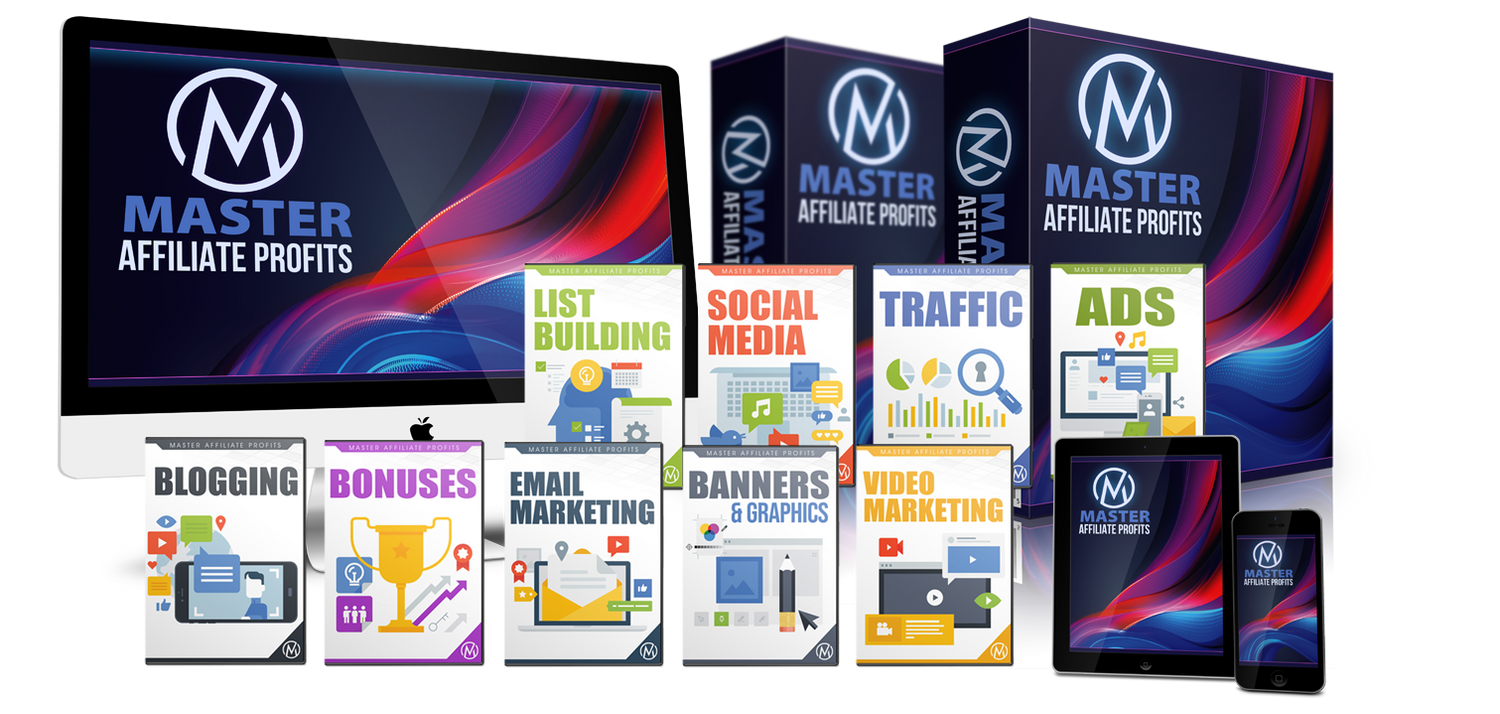
Enter the Master Affiliate Profits (MAP) Eco-System, a revolutionary platform designed to transform the affiliate marketing journey from a daunting challenge into a navigable and profitable path.

Created by affiliate marketing veterans John Thornhill, Omar Martin, and Melinda Martin, MAP is the culmination of decades of combined experience in the digital marketing realm. Recognizing the pitfalls and barriers that many marketers face, these pioneers set out to craft a system that not only educates but also empowers affiliates to build sustainable income streams.

Map is a not just an affiliate marketing platform, it is a complete EcoSystem of training, tools and products where every member has one objective, one mission ONE LINK to promote. Users learn the most mo0der affiliate marketing tactics with the MAP training program and they profit with hefty commissions as they promote just ONE LINK. A link that builds their list and makes them sales for LIFE bbecause their referalls are hard coded to them. This means that whenever your subscriber buys ANYTHING… YOU get paid.

The MAP training is cutting edge but thats not the best part. 

What sets MAP apart is not just its comprehensive training modules but its revolutionary approach to affiliate marketing:

Lead Preservation: MAP ensures that your leads remain yours. Unlike other platforms, it promotes list-building without lead hijacking, allowing users to download and directly insert leads into their autoresponders.

Lifetime Earnings: With MAP, affiliates earn on everything, forever. It’s an ecosystem designed to reward effort and loyalty with perpetual income.

Education from Experts: The platform’s training is delivered by successful affiliate marketers, offering insights and strategies cultivated from real-world success.

Diving into the MAP Training Modules

MAP’s curriculum is structured into nine detailed modules, each targeting a core aspect of affiliate marketing:

List Building: Learn to grow and nurture a list that’s eager to engage with your offers.

Email Marketing: Master the art of persuasive email content that converts readers into buyers.

Traffic Generation: Discover how to drive a consistent flow of traffic to your offers through proven strategies.

Video Marketing: Leverage the power of video to enhance brand presence and connect with your audience on a deeper level.

Creating Bonuses: Boost your offer attractiveness with compelling bonuses.

Social Media Mastery: Utilize social platforms to expand your reach and build meaningful relationships with your audience.

Ads Marketing: Navigate the complexities of advertising online to maximize your investment.

Banners & Graphics: Create visually appealing banners and graphics that grab attention.

Blogging: Establish authority and draw organic traffic through value-driven blog content.

Conclusion

Affiliate marketing remains one of the best ways to generate online income, but success depends on the right strategy and tools. The MAP Eco-System simplifies the process, equipping affiliates with the necessary training, resources, and long-term earning potential. Whether you’re looking to escape the 9-5, supplement your income, or build a sustainable online business, MAP provides a proven path to success.

Now is the perfect time to get started. Phase 3 of MAP launches at the end of March, bringing even more exciting opportunities for affiliates. If you’re serious about building your online income, don’t wait—click my Affiliate Link here to get started, and I’ll personally guide you every step of the way.

How to Choose the Right Keyword Research Tool for Your Business

How to Choose the Right Keyword Research Tool for Your Business

Ever wondered why some businesses dominate search rankings while others struggle to get noticed? The secret often lies in selecting the right keyword research tool. With countless options available, finding the perfect fit can feel overwhelming. But don’t worry—this guide will simplify the process for you.

Keyword research is the backbone of any successful SEO strategy. It helps you understand what your audience is searching for, their intent, and the competition level. Tools like HubSpot and Google Keyword Planner offer valuable insights into search volume, competition, and customer intent. These elements are crucial for crafting content that resonates with your audience.

In this article, I’ll walk you through the essential steps to identify the best tool for your needs. Whether you’re looking for a free option or a premium solution, we’ll explore the pros and cons of each. By the end, you’ll have a clear understanding of how to make an informed decision that aligns with your business goals.

Key Takeaways

  • Keyword research is foundational for effective SEO strategies.
  • Search volume, competition, and customer intent are critical factors.
  • Tools like HubSpot and Google Keyword Planner provide valuable insights.
  • Balancing free and premium tools can optimise your research process.
  • Understanding your audience’s search behaviour enhances content relevance.

Understanding the Importance of Keyword Research

Keyword research is the cornerstone of any effective SEO strategy. It helps you uncover what your audience is searching for, their intent, and the level of competition. Without it, your content may miss its mark, failing to attract the right visitors.

Benefits for SEO and Content Strategy

Effective keyword research drives organic traffic and enhances customer acquisition. By identifying high-potential terms, you can create content that resonates with your audience. Tools like Google Keyword Planner and SEMrush provide valuable insights into search volume and competition, guiding your strategy.

For example, a term like “Instagram marketing” may have millions of searches but is highly competitive. On the other hand, “small business SEO” has a lower search volume but is easier to rank for. Balancing these factors is key to success.

Evaluating Search Volume and Competitiveness

Understanding search volume and competition is crucial. Keywords with no searches won’t drive traffic, while overly popular terms may be too competitive. Tools like Ahrefs and SEMrush offer detailed metrics, including difficulty scores and click estimates.

Keyword Monthly Search Volume Competition Level
Instagram marketing 1,000,000 High
Small business SEO 2,500 Medium
SEO keyword strategy 400 Low

By prioritising relevance and search intent, you can select keywords that align with your audience’s needs. This approach ensures your content ranks well and delivers meaningful results.

Defining Your Business Goals and Keyword Strategy

A well-defined business goal ensures your keyword strategy aligns with market demand. Without clear objectives, your efforts may lack direction, making it harder to achieve meaningful results. Start by identifying what you want to accomplish—whether it’s increasing sales, building brand awareness, or generating leads.

Aligning Customer Intent with Business Objectives

Understanding your audience’s search intent is crucial. Are they looking for information, comparing options, or ready to make a purchase? By aligning their needs with your goals, you can create content that resonates. For example, if your aim is to boost sales, focus on transactional keywords like “buy” or “order.”

Integrating keyword research into every stage of your strategy ensures relevance. Tools like HubSpot and Google Keyword Planner provide valuable insights into search volume and competition. Use this data to build a targeted keyword list that reflects your niche.

Here’s a practical approach:

  • Set measurable objectives, such as increasing organic traffic by 20%.
  • Analyse customer behaviour to identify high-potential terms.
  • Cross-reference your goals with research tools to refine your strategy.

By systematically aligning your business aims with customer intent, you can develop a strategy that drives results. Remember, consistency and adaptability are key to long-term success.

How to Choose the Right Keyword Research Tool for Your Business

The choice between free and premium tools often defines the success of your keyword strategy. Both options have their strengths and limitations, making it essential to understand which aligns best with your goals. Whether you’re a small business or a large enterprise, the right tool can streamline your research process and deliver actionable insights.

Comparing Free and Premium Tools

Free tools like Google Keyword Planner are excellent for beginners. They provide basic metrics such as search volume and competition levels. However, they may lack advanced features like competitor analysis or detailed keyword difficulty scores. These limitations can hinder your ability to craft a comprehensive strategy.

On the other hand, premium platforms such as SEMrush offer in-depth data and additional functionalities. For example, SEMrush provides insights into your competitors’ keywords, helping you identify gaps in your own research. While these tools come at a cost, their advanced features often justify the investment for businesses aiming to scale.

Key Features to Consider

When evaluating a keyword research tool, focus on these critical features:

  • User Interface: A simple, intuitive design ensures you can navigate the tool efficiently.
  • Data Accuracy: Reliable metrics are essential for making informed decisions.
  • Scalability: Choose a tool that grows with your business needs.

For instance, Google Keyword Planner is ideal for small businesses with limited budgets. Its straightforward interface and access to Google’s vast database make it a popular choice. However, if you require more advanced analytics, a premium tool like SEMrush might be a better fit.

Ultimately, the right keyword research tool depends on your business scale and specific goals. By carefully evaluating your needs and comparing available options, you can select a tool that enhances your SEO strategy and drives meaningful results.

Analysing Search Volume, Competition and Authority

Analysing search volume, competition, and authority is essential for crafting a robust SEO strategy. These metrics provide valuable insights into the potential of specific terms, helping you prioritise efforts effectively. By understanding these elements, you can identify high-traffic opportunities while balancing realistic rankability.

Understanding Monthly Search Volume (MSV)

Monthly search volume (MSV) indicates how often a term is searched within a given period. Higher volumes suggest greater potential traffic, but they often come with intense competition. For example, a term like “digital marketing” may have millions of searches, making it challenging to rank for.

Tools like Google Keyword Planner and Ahrefs provide accurate MSV data. Use this information to identify terms that align with your audience’s needs. Balancing high-volume terms with realistic competition levels is key to success.

Assessing Keyword Difficulty and Domain Authority

Keyword difficulty (KD) measures how hard it is to rank for a specific term. Scores are often expressed as percentages, with higher values indicating greater competition. Domain authority (DA) also plays a role, as sites with higher DA tend to dominate search engine results pages (SERPs).

Platforms like Moz and Ahrefs offer detailed KD and DA metrics. Aim for terms with a KD score between 0-30 or 0-40, depending on your site’s authority. This approach ensures you target achievable opportunities while maximising traffic potential.

Keyword Monthly Search Volume Keyword Difficulty
SEO basics 5,000 25
Content marketing 12,000 45
Local SEO tips 3,500 18

By analysing these metrics, you can make informed decisions about which terms to target. Prioritise relevance and search intent to ensure your content resonates with your audience and drives meaningful results.

Incorporating User Intent and Commercial Value

Understanding the true intent behind searches is crucial for aligning your content with user needs. It’s not just about the keywords they type but why they’re searching. This insight helps you create material that resonates and drives meaningful engagement.

Determining the True Intent Behind Searches

User intent can be categorised into four main types: informational, navigational, transactional, and commercial investigation. Each type reflects a different stage in the user’s journey. For example, someone searching for “how to start a blog” is likely in the research phase, while “buy Nike shoes” indicates readiness to purchase.

Here’s how to interpret these intents:

  • Informational: Users seek knowledge, often using terms like “how to” or “what is.”
  • Navigational: Users look for a specific site or page, such as “LinkedIn login.”
  • Transactional: Users are ready to buy, indicated by terms like “order” or “discount.”
  • Commercial Investigation: Users compare options, using phrases like “best DSLR cameras 2024.”

Aligning your content with these intents ensures it meets user expectations. For instance, a blog post titled “Top 10 DSLR Cameras” would appeal to those in the commercial investigation phase.

Tools like Google Keyword Planner can help refine your analysis. They provide insights into search volumes and competition, allowing you to target terms that align with your audience’s needs. By understanding intent, you can craft content that not only attracts traffic but also drives conversions.

For example, long-tail queries often reveal precise commercial intent. A search like “best budget toaster oven under £50” indicates a user is ready to purchase. By targeting such terms, you can attract highly qualified traffic.

Integrating these findings into your overall strategy ensures your marketing efforts are effective. Whether it’s through blog posts, ads, or product pages, aligning with user intent enhances relevance and boosts results.

Implementing Keyword Data into Your SEO Strategy

Transforming keyword data into actionable steps is the cornerstone of a successful SEO strategy. By integrating insights from tools like Google Keyword Planner and Google Trends, you can create a robust plan that drives results. This process ensures your content aligns with user intent and market demand.

keyword research tool

Integrating Keywords into Your Content Calendar

A well-structured content calendar is essential for organising your keyword strategy. Start by listing high-potential terms based on search volume and competition. Tools like Google Keyword Planner provide valuable data to refine your list.

Here’s how to approach it:

  • Identify seasonal trends using Google Trends to plan timely content.
  • Group related keywords to create comprehensive articles that address user queries.
  • Schedule posts strategically to maximise visibility and engagement.

By aligning your calendar with keyword insights, you can ensure your content remains relevant and impactful.

Utilising Data from Google Trends and Keyword Planners

Tools like Google Trends and Keyword Planner offer actionable insights into user behaviour. For example, Google Trends highlights rising search queries, allowing you to capitalise on emerging topics. Meanwhile, Keyword Planner provides detailed metrics on search volume and competition.

To make the most of these tools:

  • Track performance metrics to identify which keywords drive the most traffic.
  • Refine your strategy based on data, shifting focus to high-performing terms.
  • Update your content calendar regularly to reflect new insights.

As John Mueller of Google once said,

“Keyword research is not just about finding terms; it’s about understanding your audience.”

This approach ensures yourSEO strategyremains dynamic and results-driven.

Advanced Techniques in Keyword Research

Mastering advanced techniques in keyword research can significantly elevate your SEO game. These methods go beyond basic metrics, offering deeper insights into your audience’s behaviour and competitive landscape. By leveraging these strategies, you can refine your approach and achieve sustained success.

Leveraging Competitor Analysis Tools

One of the most effective ways to uncover keyword gaps is by analysing your competitors. Tools like SEMrush and Ahrefs provide detailed insights into the terms your rivals are ranking for. This information allows you to identify opportunities they may have overlooked.

For example, if a competitor ranks highly for a specific term, but their content lacks depth, you can create a more comprehensive piece. This approach not only helps you fill gaps but also positions your site as a more authoritative source.

Exploring Long-tail and Related Keywords

Long-tail keywords are often less competitive and more targeted. They typically reflect specific user queries, making them highly relevant. Tools like Google Keyword Planner and Google Trends can help you identify these terms.

For instance, instead of targeting “digital marketing,” you might focus on “digital marketing courses for beginners.” This specificity increases your chances of ranking while attracting highly qualified traffic.

Monitoring and Refining Performance Metrics

Continuous monitoring is essential for refining your keyword strategy. Use tools like Google Analytics and Search Console to track performance. Look for terms with high impressions but low clicks, as these indicate untapped potential.

Periodic reviews allow you to adjust your approach based on real-time data. For example, if a keyword’s difficulty increases, you might shift focus to a more achievable term. This proactive approach ensures your strategy remains dynamic and effective.

Technique Tool Benefit
Competitor Analysis SEMrush Uncover keyword gaps
Long-tail Keywords Google Trends Target niche queries
Performance Monitoring Google Analytics Refine strategy in real time

By integrating these advanced techniques, you can stay ahead of the curve and drive meaningful results. Remember, keyword research is an ongoing process that requires adaptability and a proactive mindset.

Case Studies and Real-World Examples

Real-world examples often provide the clearest insights into effective strategies. By examining case studies from industry leaders like HubSpot, we can see how a well-designed keyword strategy drives traffic and conversions. These examples offer actionable lessons for businesses aiming to enhance their marketing efforts.

case studies and keyword research

Insights from HubSpot and Other Industry Leaders

HubSpot’s success stories highlight the power of aligning content with user intent. For instance, one campaign focused on long-tail keywords like “best CRM for small businesses.” This approach led to a 30% increase in organic traffic and a 20% boost in conversions. Such results demonstrate the importance of targeting specific search queries.

Another example comes from a leading e-commerce brand. By analysing competitor keyword gaps, they identified untapped opportunities. This strategy resulted in a 40% increase in sales within six months. These case studies underscore the value of continuous research and adaptation.

Here are key takeaways from these examples:

  • Focus on long-tail keywords to attract highly targeted traffic.
  • Regularly analyse competitor strategies to identify gaps.
  • Align content with user intent to drive meaningful engagement.

By applying these lessons, businesses can refine their strategy and achieve similar success. As HubSpot demonstrates, the right approach to keyword research can transform your marketing outcomes.

Conclusion

Crafting a successful digital presence starts with understanding your audience’s search behaviour. A robust keyword research strategy is the foundation of any effective SEO plan. By analysing search volume, competition, and user intent, you can create content that resonates and drives results.

Tools like Google Keyword Planner and SEMrush provide invaluable insights, helping you refine your approach. Whether you’re targeting long-tail keywords or monitoring performance metrics, the right strategy ensures sustainable growth.

As the digital landscape evolves, continuous learning and adaptation are key. Reflect on the examples and data shared in this guide to refine your efforts. Start implementing these insights today to build a stronger, more impactful online presence.

FAQ

Why is keyword research essential for SEO?

Keyword research helps identify terms your audience uses, ensuring your content aligns with their search intent. It improves visibility, drives traffic, and enhances your overall SEO strategy.

What’s the difference between free and premium keyword tools?

Free tools like Google Keyword Planner offer basic insights, while premium options like Ahrefs or SEMrush provide advanced features such as competitor analysis, keyword difficulty scores, and detailed search volume data.

How do I evaluate search volume effectively?

Focus on monthly search volume (MSV) to gauge demand. High-volume terms attract more traffic, but balance this with competition levels to find achievable opportunities.

What features should I look for in a keyword research tool?

Prioritise tools offering search volume, keyword difficulty, SERP analysis, and competitor insights. Integration with platforms like Google Trends or Analytics is also beneficial.

How can I align keywords with customer intent?

Analyse the intent behind searches—informational, navigational, or transactional. Tailor your content to match these needs, ensuring relevance and higher engagement.

What are long-tail keywords, and why are they important?

Long-tail keywords are specific, often less competitive phrases. They attract targeted traffic and have higher conversion rates, making them valuable for niche strategies.

How do I use competitor analysis in keyword research?

Study competitors’ top-performing keywords using tools like SEMrush or SpyFu. Identify gaps in their strategy and leverage these insights to refine your own approach.

Can I use Google Trends for keyword research?

Yes, Google Trends helps identify trending topics and seasonal patterns. It’s a great way to discover relevant terms and align your content with current interests.

How often should I update my keyword strategy?

Regularly review and refine your strategy based on performance metrics, search trends, and changes in your industry. Quarterly updates are a good starting point.

How to Create Irresistible Content for Affiliate Marketing

affiliate marketing content creation

Introduction

Affiliate marketing thrives on compelling content. It’s not just about dropping links—it’s about crafting a message that captivates, informs, and persuades. Engaging content serves as the bridge between potential customers and the products they need, transforming passive readers into active buyers. In this guide, we’ll explore proven techniques to elevate your content and maximize conversions.

Mastering the Art of Persuasive Copy

Crafting Magnetic Headlines

Your headline is your first—and sometimes only—chance to grab attention. A well-crafted headline can be the difference between a reader scrolling past or clicking through. Here’s how to make yours stand out:

  • Leverage Numbers for Impact: “7 Affiliate Marketing Mistakes You Must Avoid” is far more enticing than a generic “Common Affiliate Marketing Mistakes.”
  • Engage with Questions: “Struggling to Make Affiliate Sales? Here’s What You’re Missing” sparks curiosity and compels readers to seek answers.
  • Inject Urgency: Phrases like “Last Chance,” “Don’t Miss Out,” or “Act Fast” push readers toward immediate action.

A strong headline isn’t just an attention grabber—it sets the stage for the entire piece and primes your audience for action.

Writing with Clarity and Precision

The best sales copy doesn’t drown readers in fluff—it delivers value succinctly. Keep these principles in mind:

  • Simplify Your Language: Speak in clear, everyday terms. Jargon and convoluted phrases create friction and drive readers away.
  • Get to the Point Quickly: Readers scan content, searching for what matters to them. Give them value early to keep them hooked.
  • Break It Down: Short sentences and digestible paragraphs enhance readability and retention.

Concise, compelling copy doesn’t just hold attention—it makes converting effortless.

The Science of Call-to-Actions (CTAs)

A well-placed CTA turns passive engagement into decisive action. Consider these powerful examples:

  • “Unlock Exclusive Deals—Sign Up Now!”
  • “Start Earning Today—Click Here to Learn More”
  • “Claim Your Free Trial Before Time Runs Out!”

Your CTA should be visually distinct and strategically positioned to guide readers seamlessly toward the next step.

The Power of Storytelling in Marketing

Why Stories Sell

People remember stories far better than dry facts. A compelling narrative connects emotionally, making your message more memorable and persuasive. Global brands like Nike and Apple have mastered this approach, using storytelling to create deep brand affinity.

Crafting Your Brand’s Narrative

An effective brand story follows a structure that makes it relatable and engaging:

  1. Define Core Values – What does your brand stand for?
  2. Know Your Audience – What resonates with them emotionally?
  3. Develop a Narrative Arc – Every great story has a beginning, middle, and resolution.

Blending storytelling with your affiliate content enhances credibility and fosters trust.

Storytelling Techniques for Affiliates

To make your content truly resonate, incorporate these techniques:

  • Evoke Emotion: Tap into nostalgia, excitement, or even fear to create a compelling narrative.
  • Use Personal Experiences: Authenticity builds trust—share your own journey with the product.

By embedding storytelling into your marketing, you transform dry promotions into engaging experiences that leave a lasting impact.

Crafting High-Converting Affiliate Content

Understanding Your Audience’s Pain Points

Your audience doesn’t care about the product—they care about how it solves their problem. Dive deep into their needs, frustrations, and desires to create content that feels tailor-made for them.

SEO: The Key to Visibility

To ensure your content reaches the right audience, follow these SEO best practices:

  • Target High-Intent Keywords – Optimize for terms that signal a buyer’s intent (e.g., “best affiliate programs for beginners”).
  • Enhance Readability – Use headers, bullet points, and short paragraphs to improve engagement.
  • Write Click-Worthy Meta Descriptions – A compelling meta description increases the chances of attracting clicks from search results.

Effective SEO isn’t just about rankings—it’s about drawing the right people to your content.

Striking the Right Balance: Promotion vs. Value

Hard selling turns readers off, but strategic recommendations convert them. Here’s how to strike the perfect balance:

  • Lead with Value – Offer solutions, tips, and insights before introducing a product.
  • Weave in Recommendations Naturally – Instead of blatant sales pitches, integrate product mentions within helpful content.

By putting value first, you establish authority and encourage trust—two essential factors for long-term success.

Planning for Success: Structuring Your Content Strategy

The Power of a Content Calendar

A content calendar ensures consistency and strategic alignment. Benefits include:

  • Regular Engagement – Consistent content keeps your audience returning.
  • Strategic Timing – Aligning content with trends and seasons boosts relevance and conversions.

A well-structured plan isn’t just about consistency—it’s about creating momentum that drives sustained success.

premium content strategies

How To Create Compelling Content For Affiliate Marketing

Visual content is key for marketing, with 79% of marketers agreeing. As an affiliate marketer, you know how important it is to create content that speaks to your audience and boosts sales. We’ll look at what makes great content and share tips for affiliate marketing success. With the right approach and tools, you can boost your earnings and thrive in the industry.

Affiliate marketing is an art that needs careful thought. It’s about knowing your audience and making content that grabs their attention.

How to Create Compelling Content for Affiliate Marketing

In affiliate marketing, product reviews are a must, with 90% of buyers checking them first. Adding images and videos can keep users engaged, boosting your sales. I’ll share my knowledge on making compelling affiliate marketing content and give you the tools to succeed.

Key Takeaways

  • Understanding your target audience is key for great content
  • Visual content is vital, with 79% of marketers backing it
  • Engaging content can keep users interested, boosting sales
  • Product reviews are a must, with 90% of buyers checking them
  • A good call-to-action can increase conversions by 42%
  • Affiliate marketing is an art that requires careful thought
  • Long-tail keywords can lead to 10 times more conversions than short-tail ones

Understanding the Foundations of Affiliate Content Marketing

Exploring affiliate content marketing, I see how vital it is to connect with my audience. Crafting engaging content builds trust and credibility. Knowing what my audience wants helps me create content that boosts sales and revenue.

Studies show that about 81% of brands use affiliate marketing to attract customers. This shows its big role in digital marketing. To excel, I must focus on making top-notch content that meets my audience’s needs and interests.

Relevance is key in affiliate content. By making content that matches my audience’s needs, I can boost engagement and sales. This means researching my niche, understanding my audience, and creating content that speaks to them.

affiliate marketing content

  • Creating informative and engaging content that adds value to my audience
  • Using attention-grabbing headlines and calls-to-action
  • Building trust and credibility with my audience through authentic and transparent content

By using these strategies, I can improve my chances of success and increase revenue through affiliate marketing.

Essential Tools and Resources for Affiliate Content Creation

As an affiliate marketer, creating effective affiliate marketing materials is key to success. The right tools and resources are vital. We’ll look at the must-haves for affiliate content creation, including affiliate content development tips and the benefits of AI tools like Copy.ai.

Some key tools and resources for affiliate content creation include:

  • Copy.ai: an AI-powered tool that simplifies affiliate marketing efforts
  • GetResponse: an email marketing platform that offers free landing page building and email campaigns
  • Infogram: a tool for creating infographics and visual content
  • Squoosh.app: an image compression tool for improving page loading speed

Using these tools helps you make top-notch content that appeals to your audience and boosts conversions. Always stick to affiliate content development tips and best practices for effective affiliate marketing materials.

affiliate content creation tools

With the right tools and resources, you can make your content creation easier. This lets you focus on what’s most important: making money and growing your affiliate marketing business. By adding these essential tools and resources to your strategy, you’ll be well on your way to creating materials that work.

Tool Description
Copy.ai AI-powered tool for simplifying affiliate marketing efforts
GetResponse Email marketing platform for building landing pages and email campaigns
Infogram Tool for creating infographics and visual content
Squoosh.app Image compression tool for improving page loading speed

How to Create Compelling Content for Affiliate Marketing

As an affiliate marketer, you must create content that speaks to your audience. It should drive conversions. Focus on making your content persuasive and relevant to your audience’s needs and interests. This way, you can boost your marketing success.

Understanding your niche market is key. Develop a content strategy that matches your audience’s preferences. Research your target audience, find out their pain points, and create content that solves their problems. This helps you build trust and establish your unique voice.

Researching Your N reckon Market

To research your niche, start by identifying your target audience. Analyze their behavior, preferences, and pain points. Use social media listening, surveys, and keyword research to gain insights. This helps you create content that engages and resonates with your audience.

Developing Your Content Strategy

A solid content strategy is vital for success. Create a content calendar and choose the best content formats. Develop a unique tone and style that speaks to your audience. By optimizing your content, you can improve your marketing results.

Mastering the Art of Persuasive Writing

As an affiliate marketer, I know how key enhancing affiliate marketing with quality content is. It’s all about writing in a way that grabs attention and encourages action. This means creating catchy headlines, strong calls-to-action, and using words that pack a punch. By doing this, you can make your content speak to your audience, boosting the chances of sales.

Persuasive writing is vital for getting more people to take action in affiliate marketing. Marketers who get it right can see their conversion rates soar by up to 300%. Plus, effective copywriting for sales can make people more likely to engage, with CTAs leading to a 400% increase in clicks.

  • Use storytelling techniques to connect with your audience on a deeper emotional level
  • Incorporate social proof, such as testimonials and reviews, to build trust and credibility
  • Utilize clear and concise call-to-action language to increase engagement rates
  • Optimize landing pages with persuasive writing techniques to improve conversion rates

By honing your skills in persuasive writing and enhancing affiliate marketing with quality content, you can make your content work harder. Always think about your audience and use effective copywriting for sales to get more people involved and buying.

Building Trust Through Authentic Content

In the world of affiliate marketing, building trust is key. Storytelling in marketing helps create content that truly connects with people. By sharing my own stories and the benefits of products, I build a bond with my readers.

For writing for affiliate marketing, being open and honest is essential. I must tell my audience about my connection to the product. I also share both the good and bad sides of it. This way, I gain their trust and boost my chances of success.

Here are some ways to build trust through genuine content:

  • Responding to comments and engaging with my audience
  • Providing high-quality, relevant content that addresses the needs of my audience
  • Disclosing my affiliation with the product and being transparent about my intentions

By using these strategies and storytelling in marketing and writing for affiliate marketing techniques, I can make content that truly connects with my audience. This builds trust and helps me succeed.

Incorporating Product Reviews and Comparisons

As an affiliate marketer, I know how key product reviews and comparisons are. They’re vital for content planning for affiliates and make content more engaging. Honest reviews build trust with readers, making them more open to the products I promote.

Did you know 70% of people trust product reviews as much as personal advice? This shows the value of genuine, detailed reviews that highlight what makes each product special. Such reviews can boost conversions by up to 270%, making them a key part of affiliate marketing.

When making comparison content, using images is a must. They can increase engagement by 94%. Also, focusing on positive sentiments in reviews, like “love,” can make people 28% more likely to buy. By using these tactics in content planning for affiliates, marketers can really improve their campaigns.

Writing Honest Product Reviews

Honest reviews are essential for gaining trust. They should cover both the good and bad points of a product. It’s best to base them on personal experience or thorough research.

Creating Effective Comparison Content

Good comparison content should show what makes each product unique. This can be done with tables, lists, or detailed descriptions. It helps readers choose the best product for them.

Highlighting Unique Selling Points

Unique selling points are what make a product stand out. By focusing on these, affiliate marketers help readers make better choices. This increases the chance of a sale, boosting the success of their campaign.

Optimising Content for Search Engines

As an affiliate marketer, I know how key it is to make content search engine friendly. With 53% of people checking products online before buying, your content must be seen and ranked well. This is where content marketing for affiliates shines, aiming to create valuable content that draws in your audience.

To get this right, you need to use content creation strategies that focus on SEO. This means doing thorough keyword research, using short URLs, writing catchy meta descriptions, and making content that truly helps users. This way, you can get your site seen more, attract more visitors, and boost your affiliate marketing success.

  • Technical optimisation to help search engines find and index your site
  • On-page SEO like meta descriptions and keyword research
  • Off-page SEO tactics like guest blogging and getting quality backlinks

By using these strategies in your content creation strategies, you can increase your online presence. This will bring more visitors to your site and help you succeed in affiliate marketing.

Leveraging Different Content Formats

Creating compelling content for affiliate marketing means using various formats. This helps you reach more people and boost engagement. Knowing how to create content that your audience loves is key.

Understanding what your audience likes is vital. Some prefer reading, while others like videos or social media. Mixing formats like blog posts, videos, and social media content caters to different tastes.

Using different formats can make you stand out. For example, blog posts can be in-depth guides, while social media shares quick tips. This strategy shows your expertise and adds value, which is important in affiliate marketing.

The secret to success in affiliate marketing is knowing your audience. By using various content formats and focusing on creating compelling content, you can boost engagement and drive sales. This approach leads to success in the industry.

Measuring and Analysing Content Performance

To make your content better, you need to measure and analyse its performance. This means tracking important metrics to see how your audience reacts. By doing this, you can spot what needs work and improve your content to meet your audience’s needs.

Writing engaging affiliate content is all about knowing what works. Data and analytics help you refine your strategy. This way, you can make content that drives more conversions.

Some key metrics to track include:

  • Page views and unique visitors
  • Average time on page and bounce rate
  • Conversion rates and goal completions
  • Social media engagement and shares

By looking at these metrics, you can understand how your content is doing. This helps you make better decisions to improve it. It also helps you create more effective affiliate content that your audience will love.

It’s important to regularly check your metrics and compare them to benchmarks. This ensures your content strategy is working well. By doing this, you can find areas to improve and make your content even better for your audience.

Metric Description
Page views Indicates overall popularity of content
Unique visitors Measures distinct individuals visiting your site
Conversion rate Percentage of visitors completing desired actions

Legal Considerations and Disclosure Requirements

As an affiliate marketer, following legal rules is key. The Federal Trade Commission (FTC) says being open and honest is vital. To stay on the right side of the law, I suggest these affiliate content development tips:

Always say you’re working with a product or service. Make sure your ads are truthful and don’t trick people. And always give the real scoop about what you’re promoting.

When making effective affiliate marketing materials, think about the legal side. Make sure your work doesn’t step on anyone’s toes and that you’re following all the rules. By doing this, you can keep your reputation clean and avoid trouble.

Here are some important things to remember:

  • Always tell people you’re working with a product or service
  • Keep your ads honest and clear
  • Give the real facts about what you’re promoting

By sticking to these affiliate content development tips and making effective affiliate marketing materials, you can do well and stay legal.

Common Pitfalls to Avoid in Affiliate Content Creation

As an affiliate marketer, I’ve learned that making great content is key. It helps drive conversions and success. But, there are common mistakes that can slow you down. I’ll share the main ones and how to dodge them.

When crafting persuasive affiliate content, don’t overhype products, forget about user experience, or ignore mobile users. These mistakes can hurt your engagement and sales. By optimizing affiliate content for conversions, you can make your content more effective and boost sales.

Avoiding Common Pitfalls

To make content that converts, watch out for these common mistakes:

  • Overselling products: This can harm your trust and credibility with your audience.
  • Neglecting user experience: A bad user experience can lead to high bounce rates and low engagement.
  • Ignoring mobile optimization: Most users access content on mobiles, so make sure your content works well on them.

By avoiding these pitfalls and optimizing affiliate content for conversions, you can create content that connects with your audience and drives sales. Always aim for engaging, informative, and user-friendly content to succeed in affiliate marketing.

Conclusion: Mastering the Art of Affiliate Content Creation

As we conclude this guide, remember that mastering affiliate content creation is a journey. The insights and strategies shared are just the beginning. They will help you improve your affiliate marketing with top-notch, engaging content.

By making valuable, trustworthy content that speaks to your audience, you’ll strengthen your bond with them. This will also boost your traffic, conversions, and sales. The key metrics and tools we talked about will guide you in making your content better.

The affiliate marketing world keeps changing. So, it’s key to keep up with trends, best practices, and new tech. Stay open to learning, try new things, and adjust your strategy as needed.

With what you’ve learned, you’re ready to master the art of affiliate content creation. This will open doors to more success in your digital marketing. Keep moving forward, stay alert, and watch your affiliate marketing grow.

FAQ

What are the key elements of high-converting affiliate marketing content?

High-converting affiliate marketing content is all about being relevant, engaging, and authentic. It’s key to create content that speaks to your audience’s needs and interests. This way, you can drive more conversions.

How can I use AI-powered tools to streamline my affiliate content creation process?

AI tools like Copy.ai can make creating affiliate content easier. They help generate ideas, write copy, and improve your content’s performance. This saves you time, letting you focus on making your content engaging and high-quality.

What are the best strategies for crafting compelling headlines and calls-to-action for affiliate marketing?

For compelling headlines and calls-to-action, use power words and appeal to emotions. Create a sense of urgency or scarcity. Storytelling and persuasive writing can also boost your conversion rates.

How can I build trust with my audience through authentic content?

Building trust is key in affiliate marketing. Create content that shows your expertise and provides real value. Be transparent and honest. Sharing personal stories and connecting with your audience can also help.

What are the legal considerations and disclosure requirements I need to be aware of in affiliate marketing?

As an affiliate marketer, you must follow FTC guidelines and disclose your affiliations clearly. This ensures transparency in your marketing. Not following these rules can lead to legal problems and harm your reputation.

What are the common pitfalls to avoid when creating affiliate marketing content?

Avoid overselling products and neglecting user experience. Also, don’t ignore mobile optimisation. Focus on creating valuable, high-quality content that works well on all devices.